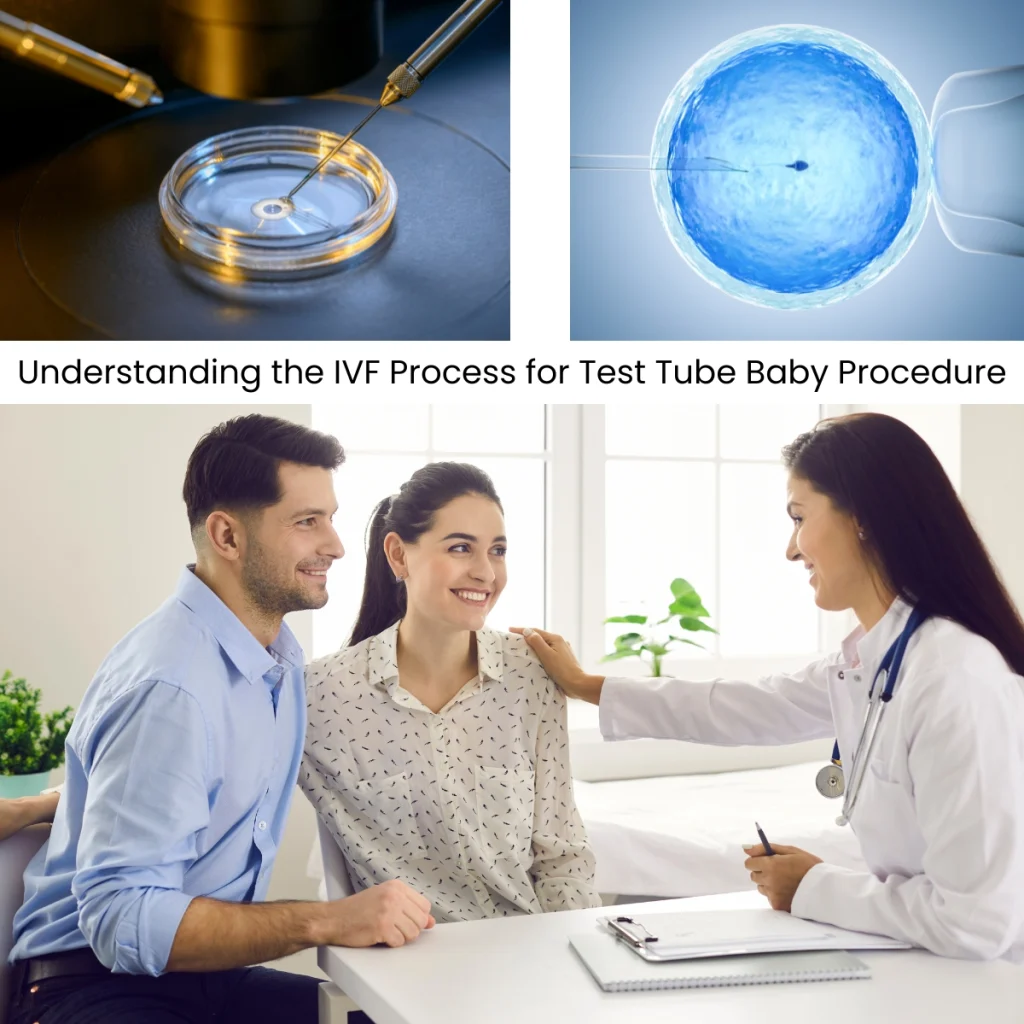
What Is Recurrent Implantation Failure (RIF)?
Recurrent implantation failure (RIF) means repeated IVF failure. It is usually diagnosed after three failed embryo transfers.
Doctors transfer good-quality embryos. Still, pregnancy does not happen. So, the issue needs deeper evaluation.
Therefore, timely diagnosis is important. Also, the right Recurrent Implantation Failure treatment can improve success.
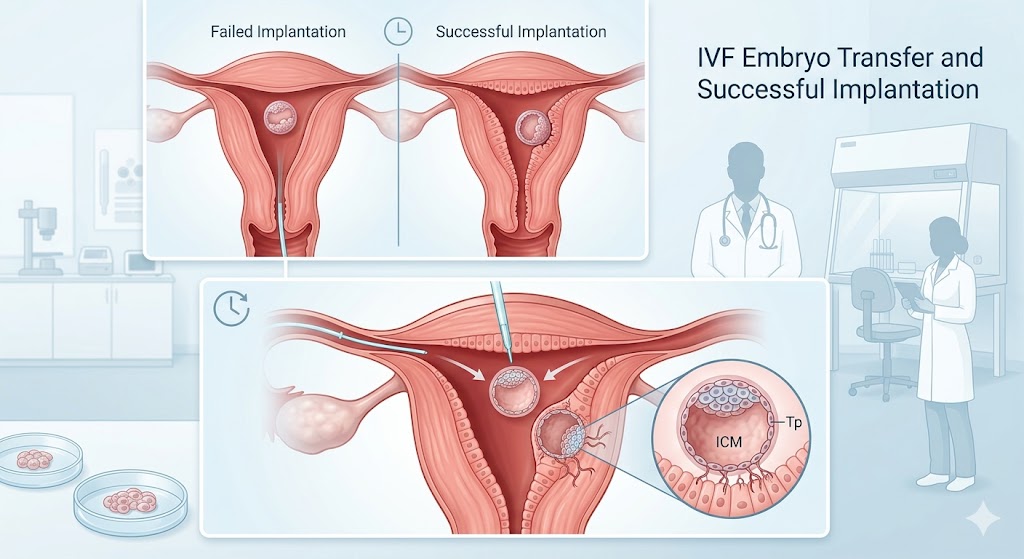
Why Does Implantation Fail Repeatedly?
Implantation depends on many factors. Even a small problem can cause failure.
So, understanding the root cause is critical.
Uterine Factors Affecting Implantation
The uterus must support the embryo. If not, implantation fails.
Common issues include fibroids and adhesions. Sometimes, surgery is needed to correct them.
In such cases, doctors may suggest gynae laparoscopic surgery in Noida.
This improves the uterine environment. As a result, implantation chances increase.
Endometrial Receptivity Issues
The uterine lining must be healthy. It should be thick and well-vascularized.
However, problems can occur.
For example:
- Thin lining
- Poor blood flow
- Hormonal imbalance
So, improving the lining becomes a key part of Recurrent Implantation Failure treatment.
Embryo Quality & Genetic Factors
Embryo quality plays a big role. Some embryos have genetic issues.
Even if they look normal, implantation may fail.
Therefore, advanced testing helps select healthy embryos. This increases the chances of success.
Hidden Conditions That Affect IVF Success
Some conditions are not visible easily. Still, they impact implantation.
These include endometriosis and infections. Also, tubal issues can interfere.
So, proper diagnosis is essential.
Advanced Treatment Protocols for Recurrent Implantation Failure
Advanced treatments focus on precision. They target the exact cause.
So, outcomes improve with the right plan.
Personalized IVF Protocols
Each patient is different. So, treatment must be customized.
Doctors adjust medications and timing. This improves cycle response.
You can explore more about advanced care at an IVF center in Noida.
Endometrial Receptivity Analysis (ERA Test)
Timing of embryo transfer is crucial. ERA test identifies the best time.
If timing is off, implantation fails.
So, correcting this improves success rates.
Immune Therapy for Implantation Failure
In some cases, the immune system reacts negatively. It may reject the embryo.
Doctors may use immune therapy. But only when required.
PRP Therapy to Improve Uterine Lining
PRP therapy uses the patient’s own blood. It helps improve the uterine lining.
It increases blood flow and healing. So, implantation becomes easier.
Genetic Testing (PGT-A)
PGT-A checks embryo chromosomes. It helps select healthy embryos.
As a result, repeated failures reduce.
Surgical Correction When Required
Structural problems need correction.
Doctors may remove fibroids or adhesions. This improves implantation chances.
Optimizing Embryo Transfer Technique
Technique matters a lot.
Doctors may perform a mock transfer. This helps avoid complications.
So, precision improves during the actual transfer.
How to Choose the Right Recurrent Implantation Failure Treatment
There is no fixed solution.
Each case needs proper evaluation. Doctors first identify the cause.
Then, they create a combination plan.
You can consult an infertility specialist in Noida for a personalized approach.
What Are the Chances of Success After RIF?
Success is still possible.
Many patients conceive after targeted treatment. However, results depend on multiple factors.
So, realistic expectations are important.
At the same time, advanced care improves outcomes.
Recurrent implantation failure (RIF) means repeated IVF failure, usually after multiple embryo transfers, as explained by the
American Society for Reproductive Medicine (ASRM)
When Should You Consult a Fertility Specialist?
Do not delay consultation.
Seek help if IVF fails repeatedly. Or if implantation does not occur.
Early diagnosis saves time. It also prevents emotional stress.
Emotional Impact of Repeated IVF Failure
Repeated failure can be stressful. It affects mental health.
So, emotional support is important. Clear guidance also builds confidence.
Conclusion: Targeted Treatment Can Improve Success
Recurrent implantation failure is complex. But it is treatable.
The right diagnosis makes a difference. Advanced protocols improve success rates.
So, focus on personalized care. Choose the right Recurrent Implantation Failure treatment.
Dr. Aprajita Srivastava is a highly skilled gynecologist and IVF specialist. She is also an expert laparoscopic surgeon.
She practices in Sector 121, Noida. She has strong experience in infertility and reproductive medicine.
She provides:
- IVF and IUI treatments
- Egg freezing solutions
- Care for complex fertility cases
Her approach is practical and patient-focused. She works on identifying root causes.
If you need expert consultation, you can connect with the best gynecologist in Noida.