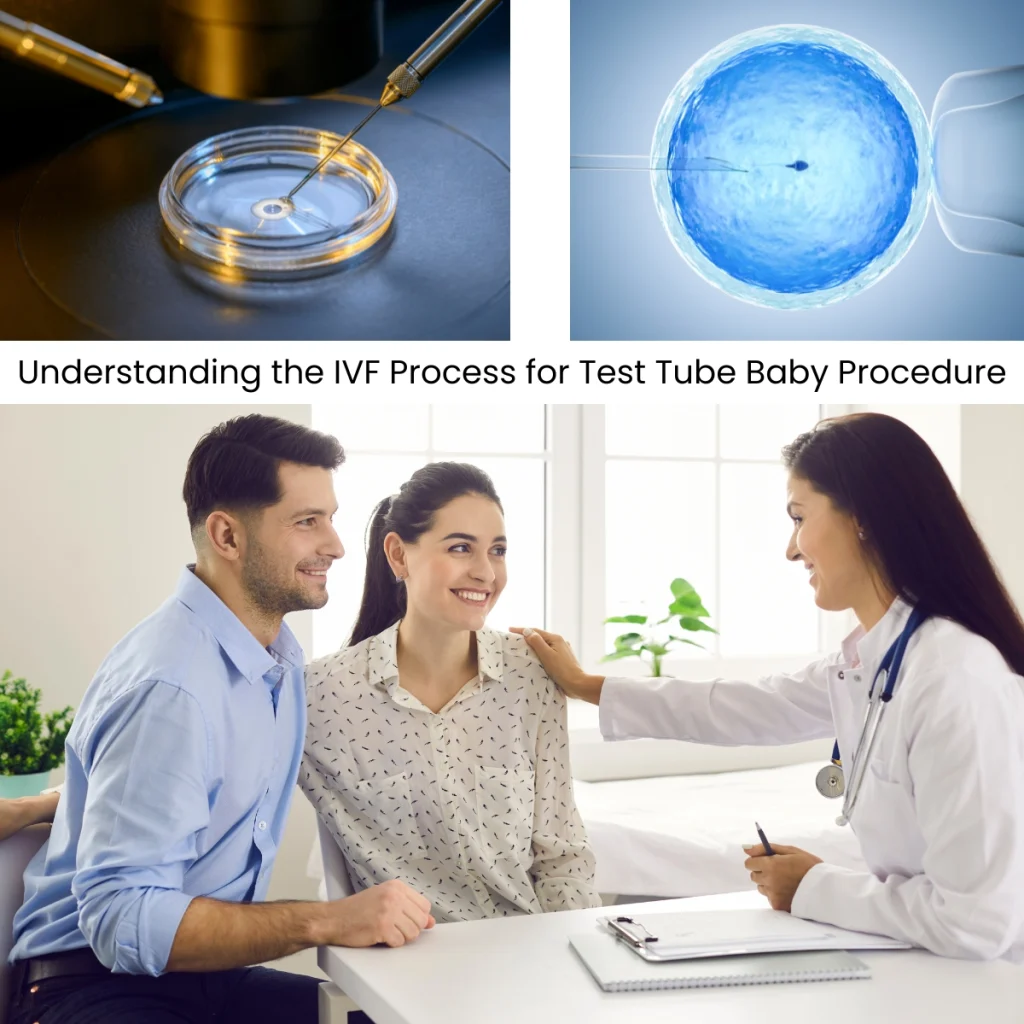
Silent Endometriosis and Its Impact on IVF Success Rates is a crucial topic for women dealing with unexplained infertility. Many women assume that fertility issues are always linked to noticeable symptoms. However, that is not always true.
You may have regular periods, minimal cramps, and no pelvic pain. Still, conception may not happen. In such cases, silent endometriosis can be the hidden reason.
This condition often progresses quietly. Therefore, it delays diagnosis and treatment. As a result, many women discover it only after repeated IVF failures or long-term infertility.
Understanding this condition early can help you take the right steps and improve your chances of a successful pregnancy.
What is Silent Endometriosis?
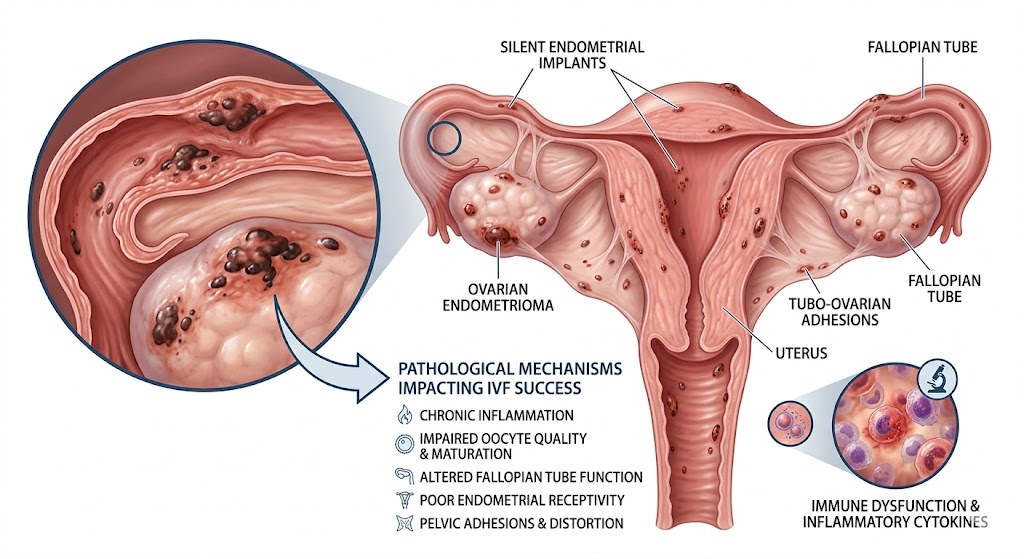
Endometriosis is a medical condition in which tissue similar to the inner lining of the uterus grows outside the uterine cavity. These growths can appear on the ovaries, fallopian tubes, pelvic lining, and sometimes deeper tissues.
During each menstrual cycle, this tissue reacts to hormonal changes. However, it cannot exit the body like normal menstrual blood. Over time, this leads to inflammation, scar tissue formation, and adhesions.
Silent endometriosis is a form of this condition where symptoms are absent or very mild. Many women do not experience pain, which makes it difficult to detect.
Because of this, the disease may progress unnoticed for years. In many cases, it is diagnosed only during fertility investigations or surgical procedures.
How Silent Endometriosis Affects Fertility?
Silent endometriosis can affect fertility in several ways, even without causing discomfort.
First, it creates chronic inflammation in the pelvic region. This inflammation can damage eggs and sperm. It may also affect the interaction between them.
Second, it can reduce ovarian reserve. Endometriomas, which are cysts formed due to endometriosis, can harm healthy ovarian tissue and reduce egg quality.
Third, it may cause structural issues. Adhesions and scar tissue can distort pelvic anatomy. As a result, the fallopian tubes may not function properly.
In addition, the uterine environment may become less supportive. This makes embryo implantation difficult.
Furthermore, it may increase the risk of early pregnancy loss. Many women with unexplained miscarriages later discover underlying endometriosis.
Silent Endometriosis and Its Impact on IVF Success Rates
Silent Endometriosis and Its Impact on IVF Success Rates is significant, even when there are no visible symptoms.
IVF is designed to bypass certain fertility barriers. For example, it helps when fallopian tubes are blocked. However, it cannot fully eliminate the effects of inflammation and poor egg quality.
Women with untreated silent endometriosis may face:
- Lower egg quality
- Reduced fertilization rates
- Poor embryo development
- Lower implantation success
- Higher chances of IVF failure
However, the situation improves with proper diagnosis and treatment.
If you are planning treatment, choosing a reliable IVF center in Noida ensures access to advanced fertility techniques and personalized care.
With the right strategy, many women with endometriosis achieve successful pregnancies through IVF.
Why Symptoms Do Not Match Disease Severity?
One of the most confusing aspects of endometriosis is that symptoms do not always reflect the severity of the disease.
Some women with advanced endometriosis experience no pain at all. Meanwhile, others with mild disease may suffer from severe discomfort.
This difference occurs due to several factors.
The location of lesions plays a major role. If lesions are away from sensitive nerves, pain may not occur.
The depth of tissue growth also matters. Superficial lesions may cause less pain compared to deep infiltrating ones.
Individual pain tolerance varies from person to person. Some women are more sensitive to inflammation.
Because of these factors, relying only on symptoms can be misleading.
How Silent Endometriosis is Diagnosed?
Diagnosing silent endometriosis requires a thorough and structured approach.
Ultrasound is often the first step. It can identify ovarian cysts such as endometriomas. However, it may not detect early-stage disease.
MRI is more detailed. It helps identify deep endometriosis and complex cases.
Laparoscopy is considered the gold standard. It allows doctors to directly view and remove endometrial tissue.
If you are dealing with unexplained infertility, consulting an experienced infertility specialist in Noida can help ensure accurate diagnosis and timely treatment.
For additional medical understanding, you can refer to standard endometriosis diagnosis guidelines.
Best Treatment Options Before IVF
Treatment for silent endometriosis depends on multiple factors. These include age, ovarian reserve, severity of disease, and duration of infertility.
For mild cases, laparoscopic surgery can improve fertility by removing endometrial lesions and restoring normal anatomy.
In some cases, IUI may be considered. This works best when fallopian tubes are open and sperm quality is good.
However, in moderate to severe cases, IVF is often the most effective option. It bypasses damaged structures and increases pregnancy chances.
Doctors may also recommend hormonal therapy before IVF. This helps reduce inflammation and improve outcomes.
A personalized treatment plan is always essential for better results.
When Should You Get Tested?
Early evaluation plays a key role in successful fertility treatment.
You should consider testing if:
- You have been trying to conceive for 12 months
- You are above 35 and trying for 6 months
- You have experienced repeated IVF failures
- You have recurrent miscarriages
- You have unexplained infertility
- You have ovarian cysts detected in scans
Timely diagnosis prevents unnecessary delays and repeated failed treatments.
How to Improve IVF Success with Endometriosis?
Improving IVF success requires a strategic and personalized approach.
First, accurate diagnosis is essential. Do not ignore unexplained infertility.
Second, consider pre-treatment options. Surgery or medication may improve the chances of success.
Third, focus on overall health. Lifestyle changes such as balanced nutrition, stress management, and proper sleep can support fertility.
Fourth, use advanced IVF techniques. These include embryo freezing, genetic screening, and optimized stimulation protocols.
Finally, choose an experienced fertility expert who understands complex conditions like endometriosis.
Conclusion
Silent endometriosis may not cause noticeable symptoms. However, it can significantly affect fertility and IVF success rates.
Many women remain unaware of this condition until they face repeated failures.
Therefore, early diagnosis and personalized treatment are essential.
If you are struggling with unexplained infertility, it is important to explore all possible causes, including silent endometriosis.
With the right medical support, successful pregnancy is possible.
About Dr. Aprajita Srivastava
Dr. Aprajita Srivastava is a leading fertility specialist known for her expertise in managing complex infertility cases.
She provides personalized treatment plans based on each patient’s condition. Her approach combines advanced IVF techniques with compassionate care.
She specializes in IVF, laparoscopic surgery, and diagnosis of hidden fertility issues like silent endometriosis.
Address: Ofc No 143, 1st Floor, QURE CLINIC, Sector 121, Noida
https://maps.app.goo.gl/xKC5rTW5NfitCmBF6
Phone: +91 95992 44575