Over the last decade, more women have started prioritizing education, career growth, financial stability, and personal goals before planning motherhood. While this shift reflects empowerment and choice, biology still follows its own timeline. This is where egg freezing—also known as oocyte cryopreservation—emerges as a valuable fertility preservation option, especially for women in their 20s.
Egg freezing allows women to preserve healthy eggs at a younger age and use them later when they are emotionally, physically, and socially ready for pregnancy. This blog explains how egg freezing works, why the 20s are the ideal time, and the top 5 reasons to consider it—answered clearly from a medical and patient perspective.
What Is Egg Freezing and How Does It Work?

Egg freezing is a medical procedure where a woman’s eggs are:
- Stimulated using fertility medications
- Retrieved from the ovaries through a minor procedure
- Rapidly frozen (vitrified) and stored safely
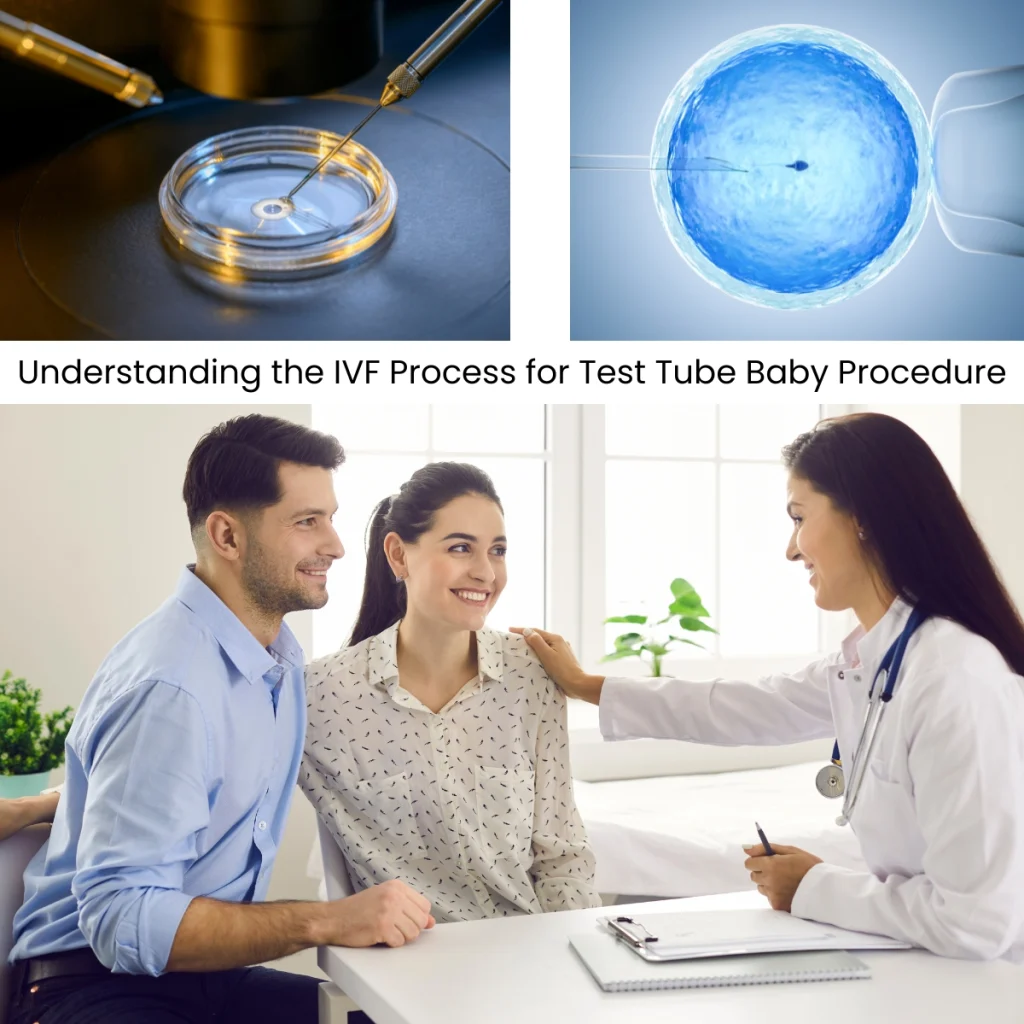
These frozen eggs can later be thawed, fertilized with sperm, and transferred into the uterus through IVF Test Tube Baby Treatment In Noida when pregnancy is planned.
The procedure does not affect virginity, does not reduce natural fertility, and is widely used across the world as a fertility preservation technique.
Why Age Matters in Egg Freezing?
A woman is born with a fixed number of eggs. As age increases:
- Egg quantity declines
- Egg quality deteriorates
- Chromosomal abnormalities increase
Medical data shows that eggs frozen in the 20s have significantly higher success rates compared to those frozen in the late 30s. This makes early decision-making crucial.
Top 5 Reasons to Choose Egg Freezing in Your 20s
1. Better Egg Quality = Higher Pregnancy Success
Reason:
Egg quality is at its peak in the 20s. Eggs retrieved during this time are more likely to:
- Fertilize successfully
- Develop into healthy embryos
- Result in successful pregnancies
Why It Matters:
Even if pregnancy is planned later in life, eggs frozen earlier retain their younger biological age.
Fertility experts, including experienced IVF Specialist In Noida like Dr. Aprajita Srivastava, often recommend early egg freezing for women who want to maximize future fertility options.
2. Freedom to Focus on Career & Life Goals
Reason:
Modern women balance multiple responsibilities—career growth, higher education, entrepreneurship, and personal aspirations.
How Egg Freezing Helps:
- Removes the pressure of “biological clock”
- Allows planned motherhood on your own timeline
- Offers peace of mind and emotional security
Egg freezing does not mean delaying pregnancy forever—it simply offers choice and control.
3. Insurance Against Future Fertility Challenges
Reason:
Fertility can be affected unexpectedly due to:
- PCOS or endometriosis
- Premature ovarian insufficiency
- Family history of early menopause
- Autoimmune or hormonal disorders
Why Egg Freezing in the 20s Is Smart:
It acts as a fertility backup before any medical condition impacts egg reserve.
A consultation with a trusted Gynecologist Clinic In Noida can help assess personal fertility risks early.
4. Lower Medication Requirement & Smoother Procedure
Reason:
Younger ovaries respond better to stimulation medications.
Benefits in the 20s:
- Fewer injections
- Better egg yield
- Reduced risk of ovarian hyperstimulation
- Faster recovery
This makes the process physically easier and often more cost-effective compared to freezing eggs at a later age.
5. Higher IVF Success Rates in the Future
Reason:
When frozen eggs are used later through IVF, outcomes largely depend on the age at which the eggs were frozen, not the woman’s age at pregnancy.
Result:
- Higher implantation rates
- Lower miscarriage risk
- Healthier pregnancies
Many women who choose egg freezing in their 20s later achieve successful pregnancies at advanced maternal ages through reputed IVF Center In Noida facilities.
Common Questions Women Have About Egg Freezing
Is egg freezing safe?
Yes. Egg freezing is a well-established, globally accepted procedure with no proven long-term health risks.
How many eggs should be frozen?
Typically, 10–20 mature eggs are recommended for a reasonable chance of future pregnancy, depending on age and health.
Does egg freezing guarantee pregnancy?
No medical procedure guarantees pregnancy, but freezing eggs at a younger age significantly improves chances.
Will it affect my natural fertility later?
No. Egg freezing does not reduce your ability to conceive naturally in the future.
Medical Guidance & Expert Care Matters
Egg freezing is both a medical and emotional decision. Choosing the right specialist ensures:
- Proper fertility evaluation
- Ethical counseling
- Personalized stimulation protocols
- Transparent success expectations
Dr. Aprajita Srivastava, a highly respected IVF Specialist in Noida and leading gynecologist, offers comprehensive fertility counseling and egg freezing guidance tailored to each woman’s reproductive goals.
Her patient-centric approach ensures informed decision-making and medical safety at every step.
Final Thoughts
Egg freezing in your 20s is not about delaying motherhood—it’s about preserving choice, confidence, and control. With advancements in reproductive medicine, women today can align biology with life plans rather than compromise between the two.
Early awareness, expert consultation, and timely action can make all the difference in safeguarding fertility for the future.