
Planning a pregnancy is more than deciding to have a baby. It gives your body time to prepare for conception and supports a healthier pregnancy. A well-planned approach can also help identify medical conditions, nutritional gaps, or lifestyle habits that may affect fertility.
This pregnancy planning checklist covers the essential steps to take before trying to conceive. It is designed for couples who want to improve their chances of a healthy pregnancy through informed decisions and medical guidance.
If you have irregular periods, PCOS, thyroid problems, previous miscarriages, or difficulty conceiving, consider scheduling a consultation with an experienced Best Gynaecologist in Noida.
Pregnancy Planning Checklist Before Trying to Conceive
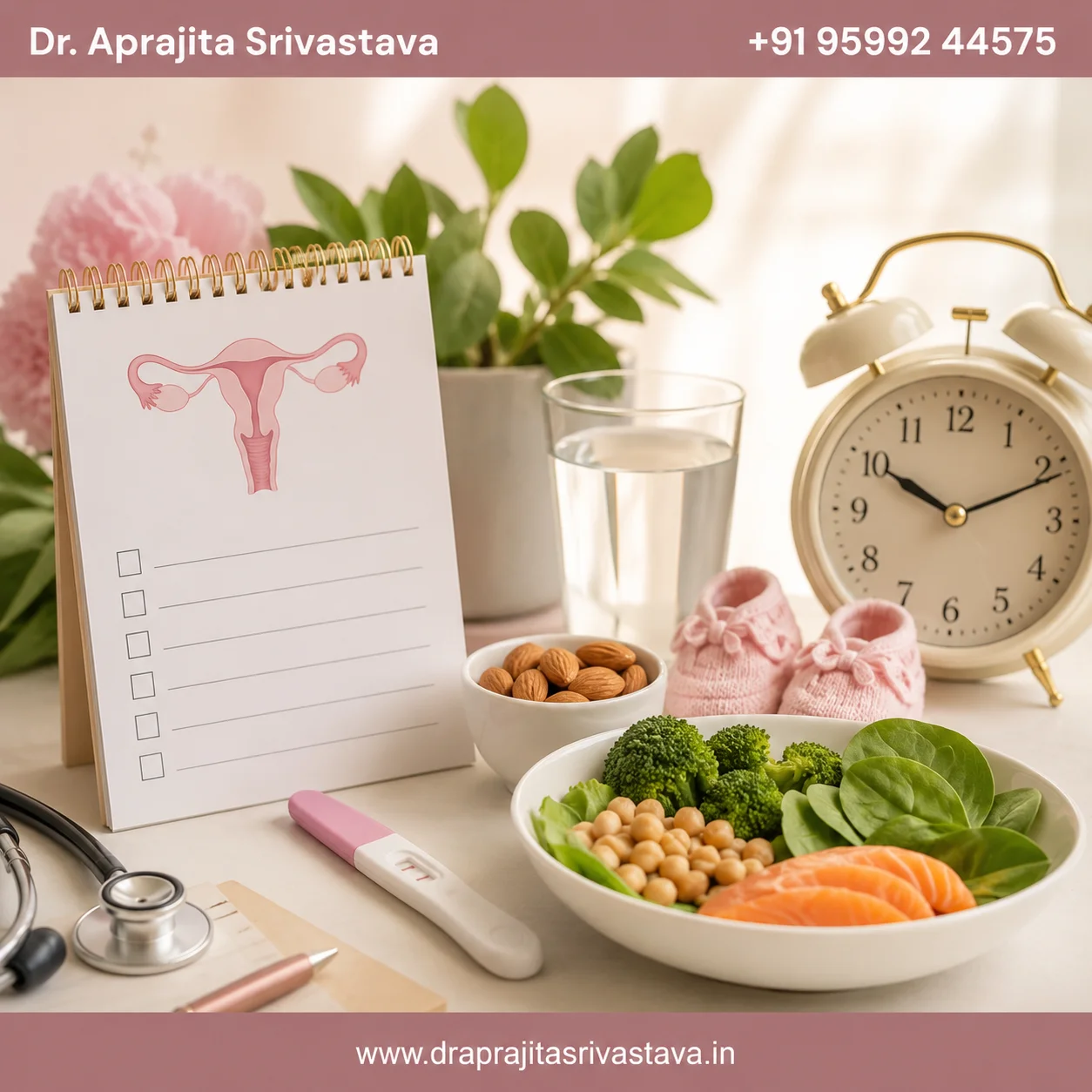
Use this simple checklist before you start trying for pregnancy.
| Checklist | Status |
|---|---|
| Book a preconception consultation | ☐ |
| Complete recommended blood tests | ☐ |
| Start folic acid supplements | ☐ |
| Review current medicines | ☐ |
| Update vaccinations | ☐ |
| Reach a healthy BMI | ☐ |
| Eat a balanced diet | ☐ |
| Exercise regularly | ☐ |
| Quit smoking and alcohol | ☐ |
| Track menstrual cycle and ovulation | ☐ |
| Schedule a dental check-up | ☐ |
| Discuss partner’s fertility health | ☐ |
1. Schedule a Preconception Health Check-Up
A preconception consultation is one of the most important steps in pregnancy planning. Your doctor reviews your overall health, medical history, previous pregnancies, family history, and current medications.
During the visit, your doctor may discuss:
- Your menstrual cycle and ovulation pattern
- Existing medical conditions
- Previous pregnancy complications
- Vaccination status
- Nutrition and supplements
- Lifestyle habits that may affect fertility
If fertility concerns already exist, consulting an Infertility Specialist in Noida can help you receive timely evaluation and guidance.
2. Get Essential Medical Tests Done
Some health conditions may not cause symptoms but can influence conception or pregnancy. Your doctor may recommend tests based on your age, medical history, and individual needs.
Common Blood Tests
- Complete Blood Count (CBC)
- Blood Group and Rh Factor
- Blood Sugar
- Thyroid Function (TSH)
- Vitamin D
- Vitamin B12
- Iron Levels
Screening Tests
- Rubella immunity
- Hepatitis B
- Hepatitis C
- HIV
- Urine examination
Some women may also need cervical screening or additional fertility investigations depending on their medical history.
3. Review Your Vaccination Status
Vaccination before pregnancy helps reduce the risk of certain infections that may affect both mother and baby.
Your doctor may recommend reviewing vaccines such as:
- Rubella
- Chickenpox (Varicella)
- Hepatitis B
- Influenza
- Tdap (if appropriate)
Do not receive or delay any vaccine without medical advice. The timing depends on your health history and pregnancy plans.
4. Improve Your Nutrition Before Pregnancy
A balanced diet prepares your body for conception and supports early fetal development.
| Nutrient | Food Sources | Why It Matters |
|---|---|---|
| Folic Acid | Spinach, beans, citrus fruits | Supports early neural tube development |
| Iron | Leafy vegetables, lentils | Helps prevent iron deficiency |
| Calcium | Milk, yogurt, paneer | Supports healthy bones |
| Protein | Eggs, pulses, dairy | Supports tissue growth |
| Vitamin D | Fortified foods, sunlight | Supports bone and immune health |
You may also find our guide on nutrition for fertility helpful while planning pregnancy.
5. Start Folic Acid Before Conception
Folic acid is one of the most important supplements before pregnancy. It supports early fetal development during the first few weeks after conception.
Most women planning pregnancy are advised to start folic acid before trying to conceive. However, the dosage may vary depending on individual health conditions. Always follow your doctor’s recommendation.
Some women may also need:
- Vitamin D
- Iron supplements
- Vitamin B12
- Calcium
- DHA, if recommended
Avoid taking supplements without medical advice.
6. Reach a Healthy Weight Before Pregnancy
Body weight can influence fertility and pregnancy outcomes. Both underweight and over weight women may experience difficulty conceiving or higher pregnancy risks.
Simple lifestyle changes can help:
- Eat balanced meals.
- Exercise for at least 30 minutes most days.
- Get adequate sleep.
- Avoid crash diets.
- Stay physically active.
If you have PCOS or obesity, discuss a personalized weight management plan with your gynecologist before trying to conceive.
7. Review Your Current Medicines
Some medicines may not be suitable during pregnancy. Do not stop prescription medicines on your own. Instead, discuss them with your doctor before trying to conceive.
Your doctor may review medicines for:
- Diabetes
- High blood pressure
- Thyroid disorders
- Epilepsy
- Acne treatment
- Blood-thinning medicines
8. Manage Existing Health Conditions
Chronic medical conditions should be well controlled before pregnancy. This helps reduce complications during pregnancy.
Conditions that need medical attention include:
- PCOS
- Thyroid disorders
- Diabetes
- High blood pressure
- Asthma
- Autoimmune disorders
If you have PCOS or fertility concerns, reading about how PCOS affects fertility may help you understand available treatment options.
9. Track Your Menstrual Cycle and Ovulation
Knowing your menstrual cycle helps identify your fertile window. Ovulation usually occurs about 14 days before the next period in a regular cycle, but it can vary from person to person.
You can track ovulation using:
- Calendar tracking
- Ovulation predictor kits
- Basal body temperature
- Cervical mucus changes
Learn more about fertile days during the menstrual cycle.
10. Make Healthy Lifestyle Changes
Small lifestyle improvements can support overall reproductive health.
- Quit smoking.
- Avoid alcohol and recreational drugs.
- Limit caffeine intake.
- Exercise regularly.
- Sleep for 7–9 hours.
- Manage stress with yoga or meditation.
- Drink enough water.
- Choose fresh, home-cooked meals whenever possible.
11. Include Your Partner in Pregnancy Planning
Pregnancy planning is a shared responsibility. Male reproductive health also plays an important role in conception.
Your partner should:
- Maintain a healthy weight.
- Stop smoking.
- Limit alcohol.
- Exercise regularly.
- Eat a balanced diet.
- Get enough sleep.
- Seek medical advice if conception is taking longer than expected.
You can also read about foods that support sperm health.
12. A Simple 3-Month Pregnancy Planning Timeline
| Timeline | What to Do |
|---|---|
| 3 Months Before | Book a preconception visit, start folic acid, improve your diet. |
| 2 Months Before | Complete blood tests, review vaccinations, manage medical conditions. |
| 1 Month Before | Track ovulation, maintain healthy habits, review medicines with your doctor. |
When Should You See a Fertility Specialist?
Consider consulting a fertility specialist if:
- You are under 35 and have been trying to conceive for 12 months without success.
- You are 35 or older and have been trying for 6 months.
- You have irregular periods or PCOS.
- You have a history of recurrent miscarriage.
- You have known male or female fertility concerns.
Early evaluation helps identify possible causes and allows timely treatment when needed.
Frequently Asked Questions
What is the most important step in a pregnancy planning checklist?
A preconception consultation is one of the most important steps. It helps identify health conditions, review medicines, and plan a healthy pregnancy.
When should I start folic acid before pregnancy?
Your doctor may recommend starting folic acid before trying to conceive. Follow the dosage advised for your individual health needs.
Which tests are commonly recommended before pregnancy?
Common tests include CBC, blood sugar, thyroid function, blood group, vitamin levels, urine examination, and infection screening. Additional tests depend on your medical history.
Does my partner also need a health check before pregnancy?
Yes. Male reproductive health contributes to conception. Healthy lifestyle habits and medical evaluation may be recommended if conception is delayed.
Expert Guidance
This article is medically reviewed from an educational perspective by Dr. Aprajita Srivastava, IVF Specialist and Best Gynaecologist in Noida. Individual medical needs vary, so always seek personalized medical advice before starting supplements, stopping medicines, or planning pregnancy.
Dr. Aprajita Srivastava
IVF Specialist in Noida | Best Gynaecologist in Noida
Phone: +91 95992 44575
Clinic: QURE CLINIC, Office No. 143, 1st Floor, Cleo Street, Sector 121, Noida, Uttar Pradesh 201301
Google Maps: Get Directions
If you need personalized pregnancy planning or fertility guidance, you can also consult the IVF Center in Noida or book an appointment with the clinic.