Many women choose tubal ligation after completing their family. Later, life circumstances may change. Some may wish to have another baby after remarriage, the loss of a child, or a personal decision to expand their family. This often raises one important question: Is IVF after tubal ligation possible?
The answer is yes. IVF after tubal ligation is possible because IVF does not depend on the fallopian tubes. During IVF, eggs are collected directly from the ovaries, fertilized in the laboratory, and the embryo is placed into the uterus. Since the fallopian tubes are bypassed, many women with tubal ligation can still become pregnant through IVF.
Your success depends on factors such as age, ovarian reserve, egg quality, sperm quality, uterine health, and the overall fertility evaluation. Tubal ligation itself usually does not reduce egg production or hormone levels.
If you are planning fertility treatment, learning about the IVF process and available options can help you make an informed decision with your fertility specialist.
What Is Tubal Ligation?
Tubal ligation is a permanent birth control procedure. It prevents pregnancy by blocking the fallopian tubes. This stops the egg and sperm from meeting naturally.
The procedure may involve:
- Tying the fallopian tubes
- Cutting the tubes
- Closing them with clips or rings
- Sealing them using cautery
- Removing the tubes completely (salpingectomy)
Although these methods prevent natural conception, they usually do not affect the ovaries. Women continue to ovulate every month. The uterus also remains capable of carrying a pregnancy in many cases.
Can You Get Pregnant After Tubal Ligation?
Yes. Pregnancy after tubal ligation is possible. The available treatment depends on your reproductive health and personal goals.
The two main options are:
- Tubal ligation reversal surgery
- IVF after tubal ligation
Tubal reversal reconnects the fallopian tubes. IVF bypasses them completely. Many fertility specialists recommend IVF for women who have additional fertility concerns, lower ovarian reserve, male factor infertility, or advanced maternal age.
If you already have conditions such as blocked tubes or infertility, you may also find it helpful to read about blocked fallopian tubes and how they affect fertility.
How Does IVF Work After Tubal Ligation?
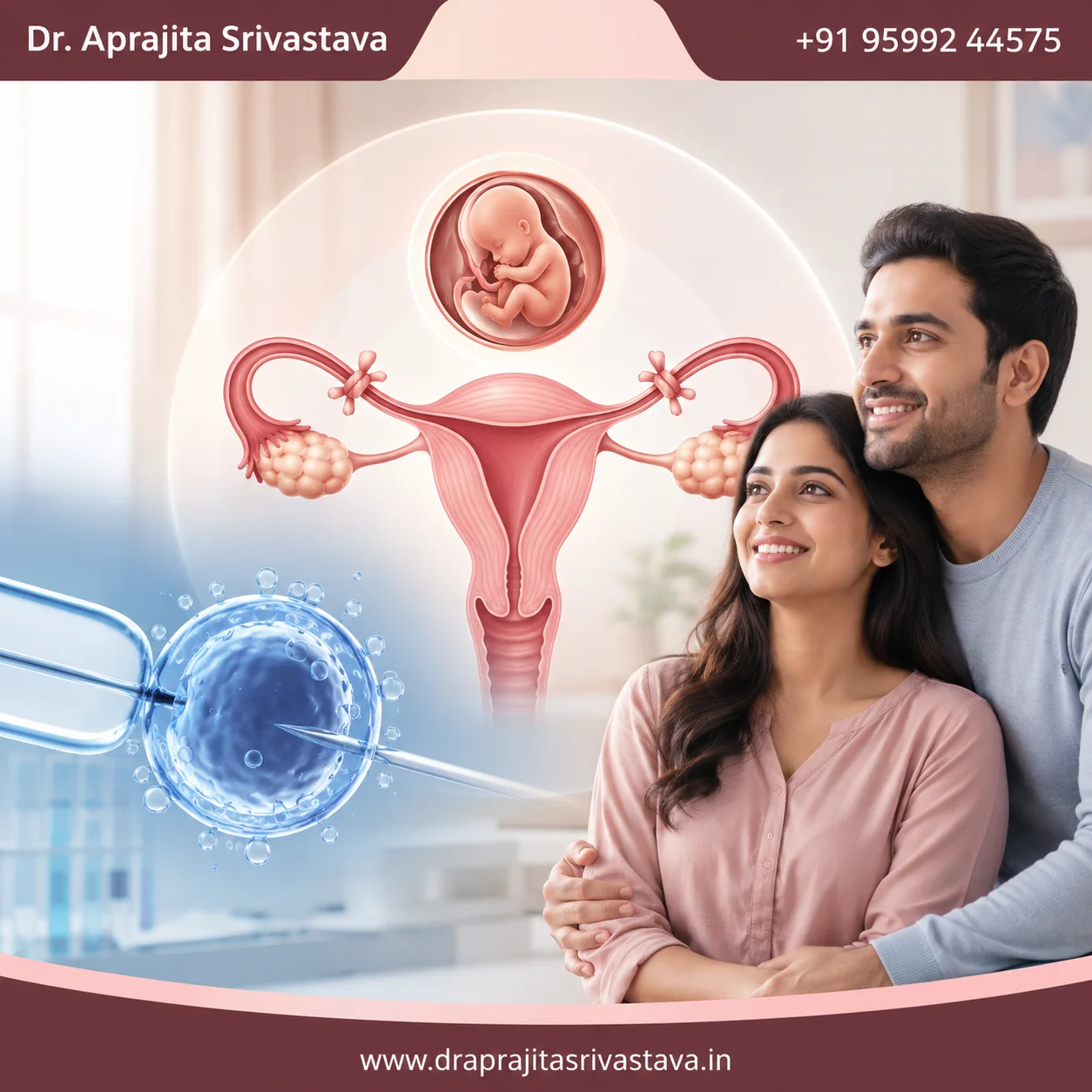
One of the biggest advantages of IVF is that healthy fallopian tubes are not required.
During natural conception:
- The ovary releases an egg.
- The egg enters the fallopian tube.
- Fertilization happens inside the tube.
- The embryo travels to the uterus.
During IVF:
- The ovaries are stimulated to produce multiple mature eggs.
- Eggs are collected directly from the ovaries.
- The eggs are fertilized with sperm in a specialized laboratory.
- The healthiest embryo is transferred into the uterus.
Since the fallopian tubes are not involved, IVF after tubal ligation remains an effective fertility treatment for many women.
Does Tubal Ligation Affect Egg Quality?
No. Tubal ligation generally does not damage the ovaries or reduce egg quality. The procedure blocks only the pathway between the ovaries and the uterus.
However, fertility naturally changes with age. Egg quantity and egg quality usually decline over time. This is why your fertility specialist may recommend tests before planning IVF.
Common tests include:
- AMH test
- Antral follicle count (AFC)
- Hormone profile
- Ultrasound examination
- Semen analysis
- Uterine assessment
If you are new to fertility treatment, you can also read this detailed guide on what IVF is and how it works.
Who Is a Good Candidate for IVF After Tubal Ligation?
Every woman has a different fertility journey. A complete evaluation helps determine the most suitable treatment.
You may be a good candidate for IVF after tubal ligation if you have:
- Healthy ovarian reserve
- A healthy uterus
- Good quality eggs
- A supportive overall medical condition
- A partner with healthy sperm or access to donor sperm if required
Your fertility specialist will also consider:
- Your age
- Previous pregnancies
- The type of tubal ligation performed
- Medical history
- Lifestyle factors
IVF After Tubal Ligation vs Tubal Reversal
| Factor | IVF | Tubal Reversal |
|---|---|---|
| Fallopian tubes required | No | Yes |
| Procedure | Egg retrieval and embryo transfer | Surgical repair of tubes |
| Recovery | Usually shorter | Longer after surgery |
| Ectopic pregnancy risk | Generally lower | Higher compared with IVF |
| Suitable for additional fertility issues | Often yes | Depends on the individual case |
The right option depends on your fertility evaluation, age, reproductive goals, and medical history. A fertility specialist can explain the benefits and limitations of each approach.
Step-by-Step IVF Process After Tubal Ligation
The IVF journey follows several carefully planned stages.
1. Initial Fertility Consultation
Your doctor reviews your medical history, previous surgeries, menstrual history, and fertility goals. Diagnostic tests are also recommended.
If you are preparing for your first treatment cycle, this guide on preparing for IVF treatment may help you understand the process better.
2. Ovarian Stimulation
Hormonal medications encourage the ovaries to produce multiple mature eggs instead of the single egg released during a natural cycle.
Regular ultrasound scans and blood tests help monitor follicle growth.
3. Egg Retrieval
Once the eggs are ready, they are collected using a minimally invasive procedure performed under medical supervision.
The fallopian tubes are not involved during this step.
4. Fertilization in the Laboratory
The collected eggs are combined with sperm in a specialized IVF laboratory. Healthy embryos are monitored for several days before transfer.
5. Embryo Transfer
The selected embryo is placed directly into the uterus using a thin catheter. This procedure usually does not require major surgery.
After embryo transfer, your doctor will advise you about medications, follow-up visits, and the timing of your pregnancy test.
The complete treatment schedule may vary slightly from one patient to another. You can also learn more about the IVF treatment timeline to understand each stage in detail.
What Factors Affect IVF Success After Tubal Ligation?
The success of IVF after tubal ligation depends on several medical factors. The condition of the fallopian tubes is usually not the deciding factor because IVF bypasses them completely.
Your fertility specialist may evaluate:
- Age
- Ovarian reserve
- Egg quality
- Sperm quality
- Uterine health
- Embryo quality
- Lifestyle habits
If you want to understand how different factors influence treatment outcomes, you can also read about IVF success rates.
How Long Does IVF Take After Tubal Ligation?
Every treatment plan is personalized. The timeline may vary slightly based on your medical condition and treatment protocol.
| Stage | Typical Process |
|---|---|
| Consultation | Medical history and fertility evaluation |
| Testing | Blood tests, ultrasound, and semen analysis |
| Ovarian stimulation | Fertility medications with monitoring |
| Egg retrieval | Collection of mature eggs |
| Laboratory fertilization | Embryo development |
| Embryo transfer | Transfer of selected embryo into the uterus |
| Pregnancy test | Follow-up after embryo transfer |
Possible Risks of IVF After Tubal Ligation
Like any medical treatment, IVF has potential risks. Your doctor will explain them before starting treatment.
Possible risks include:
- Side effects from fertility medications
- Ovarian Hyperstimulation Syndrome (OHSS) in some patients
- Egg retrieval-related complications
- Implantation failure
- Miscarriage
- Multiple pregnancy in selected situations
Many women complete IVF safely under the guidance of an experienced fertility team. Individual risks vary from person to person.
Can You Get Pregnant Naturally After Tubal Ligation?
Natural pregnancy after tubal ligation is uncommon. In rare situations, pregnancy can occur if the tubes reconnect naturally or the original procedure was not completely effective.
Most women who wish to conceive after tubal ligation should consult a fertility specialist to discuss suitable treatment options instead of relying on natural conception.
Common Myths About IVF After Tubal Ligation
Myth: IVF cannot work if your tubes are tied.
Fact: IVF bypasses the fallopian tubes completely.
Myth: Tubal reversal is always better than IVF.
Fact: The better option depends on your age, fertility evaluation, ovarian reserve, and reproductive goals.
Myth: Tubal ligation damages egg quality.
Fact: Tubal ligation usually does not affect egg production or egg quality.
Myth: IVF always results in twins.
Fact: The chance of multiple pregnancy depends on the treatment plan and the number of embryos transferred.
Questions to Ask Your IVF Specialist
Before starting treatment, consider discussing these questions during your consultation:
- Am I a suitable candidate for IVF after tubal ligation?
- Would tubal reversal offer any benefit in my situation?
- Which fertility tests do I need?
- How can I prepare before treatment?
- Are there lifestyle changes that may support fertility?
- What follow-up care will I need after embryo transfer?
You may also find this guide on questions to ask your IVF specialist helpful before your appointment.
When Should You Consult a Fertility Specialist?
You should consider a fertility consultation if:
- You want to become pregnant after tubal ligation.
- You are above 35 years of age and planning pregnancy.
- You have irregular menstrual cycles.
- You have experienced previous fertility problems.
- Your partner has known male fertility concerns.
Expert Care for IVF After Tubal Ligation in Noida
Planning pregnancy after tubal ligation requires a personalized fertility assessment. Every woman’s reproductive health is different. A detailed evaluation helps determine the most suitable treatment plan.
Dr. Aprajita Srivastava, IVF Specialist and Best Gynaecologist in Noida, provides evidence-based fertility care for couples planning pregnancy through assisted reproductive techniques. Patients receive individualized guidance after reviewing their medical history, fertility investigations, and reproductive goals.
For appointments:
Dr. Aprajita Srivastava
IVF Specialist in Noida
Best Gynaecologist in Noida
Phone: +91 95992 44575
Address: Ofc No 143, 1st Floor, QURE CLINIC, Cleo St, Sector 121, Noida, Uttar Pradesh 201301
You can also explore the IVF Center in Noida to learn more about fertility treatment options.
Frequently Asked Questions
Is IVF after tubal ligation possible?
Yes. IVF bypasses the fallopian tubes, making pregnancy possible for many women after tubal ligation.
Does tubal ligation reduce fertility permanently?
It prevents natural conception by blocking the fallopian tubes. It does not usually stop the ovaries from producing eggs.
Can IVF be done after complete removal of the fallopian tubes?
Yes. IVF can still be considered because fertilization takes place outside the body before the embryo is transferred into the uterus.
Does age affect IVF after tubal ligation?
Yes. Age remains one of the important factors that influence egg quality and overall IVF outcomes.
Is IVF safer than tubal reversal?
Each treatment has its own benefits and limitations. The most suitable option depends on your medical evaluation and fertility goals.
Conclusion
IVF after tubal ligation offers hope for women who wish to become pregnant after permanent contraception. Since IVF bypasses the fallopian tubes, the treatment focuses on egg quality, embryo development, uterine health, and overall fertility instead of the condition of the tubes.
A detailed fertility assessment can help identify the most appropriate treatment plan for your individual situation.
Consulting an experienced fertility specialist allows you to understand your options and make informed decisions based on your reproductive health.