
Living with Polycystic Ovary Syndrome (PCOS) can affect many aspects of your health. It may lead to irregular periods, weight gain, acne, excess facial hair, insulin resistance, and difficulty in conceiving. The good news is that regular physical activity can play an important role in managing these symptoms.
The best exercises for PCOS do more than support weight management. They also improve insulin sensitivity, help regulate hormones, reduce stress, and support reproductive health. When combined with a balanced diet and medical guidance, exercise becomes an effective part of long-term PCOS management.
In this guide, you will learn about the best exercises for women with PCOS, how they benefit your body, and how to build a safe workout routine.
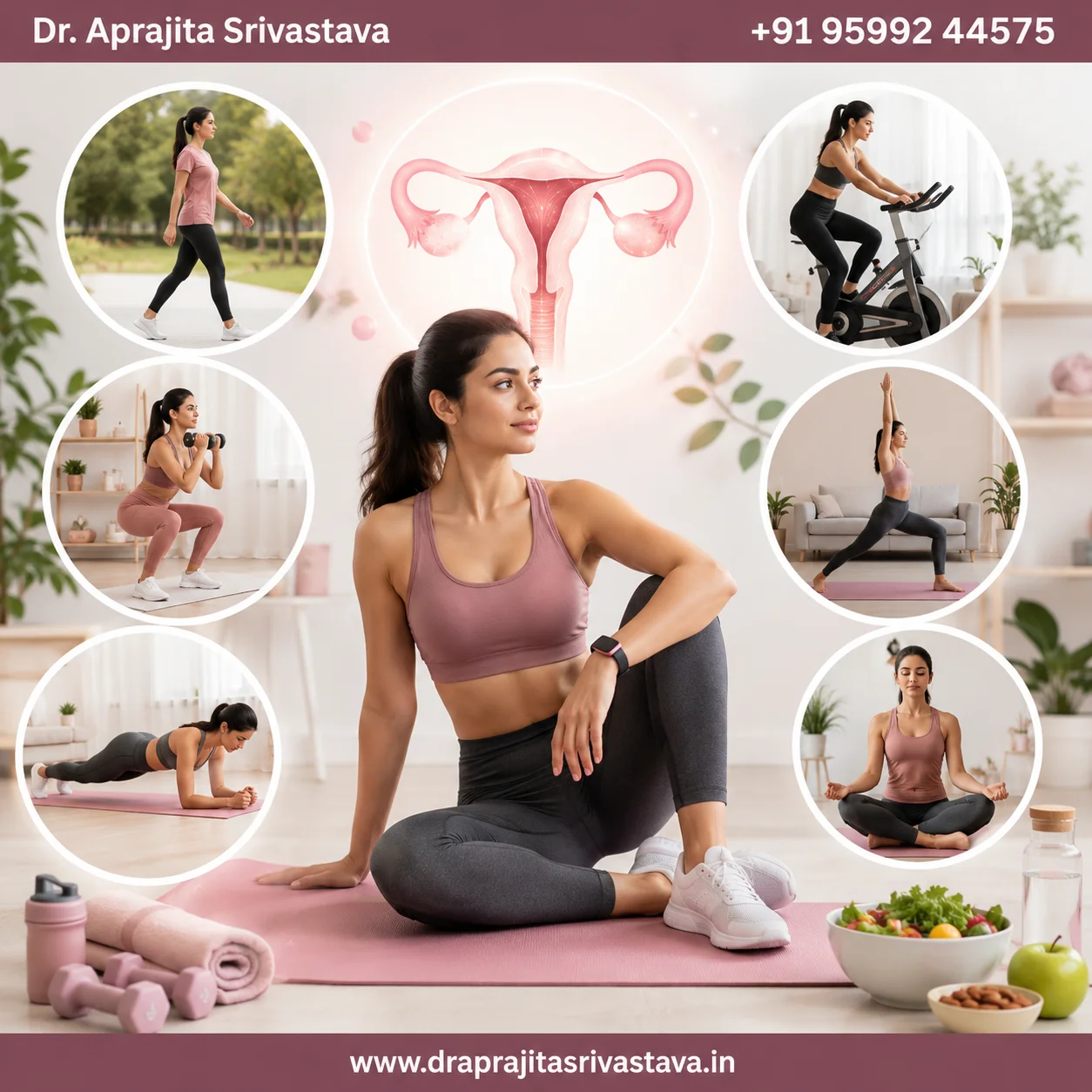
What is PCOS?
Polycystic Ovary Syndrome (PCOS) is a common hormonal condition that affects women during their reproductive years. Women with PCOS may have irregular ovulation, higher androgen levels, and multiple small follicles in the ovaries. Symptoms and severity can vary from person to person.
PCOS is also linked with insulin resistance, which makes it easier to gain weight and harder to lose it. This is one reason why regular exercise is recommended as part of PCOS management.
If you want to understand how nutrition supports PCOS management, read our guide on PCOS diet plan to boost fertility naturally.
Why Exercise is Important for Women with PCOS?
Regular exercise offers several health benefits for women living with PCOS.
- Improves insulin sensitivity.
- Supports healthy weight management.
- Helps regulate menstrual cycles.
- Reduces stress and anxiety.
- Supports hormonal balance.
- May improve ovulation.
- Supports heart health.
- Builds muscle strength.
- Improves sleep quality.
- Boosts overall energy levels.
Exercise works best when combined with healthy eating, adequate sleep, and regular medical follow-up.
How Exercise Helps Balance Hormones in PCOS?
One of the biggest reasons doctors recommend exercise for PCOS is its positive effect on hormones.
Regular movement helps your body use insulin more efficiently. Better insulin sensitivity may reduce excess insulin levels, which can indirectly help lower androgen production. This may improve symptoms such as irregular periods, acne, and unwanted hair growth in some women.
Exercise also reduces chronic inflammation and supports healthy body composition. These changes can improve metabolic health and support reproductive function.
If PCOS is affecting your fertility, you can also read about how PCOS affects female fertility.
How Much Exercise is Recommended for PCOS?
Most healthy adults should aim for regular physical activity throughout the week.
- At least 150 minutes of moderate-intensity exercise every week.
- Strength training on two or more days each week.
- Stretching or flexibility exercises several times a week.
- Avoid sitting continuously for long hours.
Your exercise plan should match your age, fitness level, weight, and medical condition. If you have joint pain, heart disease, pregnancy, or other health concerns, consult your doctor before starting a new workout routine.
Best Exercises for Women with PCOS
1. Brisk Walking
Walking is one of the safest and most effective exercises for PCOS. It is easy to begin and requires no special equipment.
Walking helps improve blood sugar control, supports weight management, and reduces stress. A brisk 30 to 45-minute walk on most days of the week can become an excellent starting point for beginners.
2. Strength Training
Strength training is among the best exercises for women with PCOS because it helps build lean muscle. More muscle helps your body use glucose more efficiently and supports a healthy metabolism.
You can use resistance bands, dumbbells, kettlebells, or your own body weight. Squats, lunges, push-ups, and rows are good beginner exercises.
3. Cycling
Cycling is a low-impact cardiovascular exercise. It improves endurance, burns calories, and supports heart health without putting excessive pressure on the joints.
Both outdoor cycling and stationary bikes are suitable options.
4. Swimming
Swimming provides a full-body workout while being gentle on the knees and hips. It improves cardiovascular fitness and helps strengthen multiple muscle groups.
This can be a good option for women who are over-weight or have joint discomfort.
5. Yoga
Yoga improves flexibility, posture, breathing, and stress management. Since stress may worsen hormonal imbalance, yoga can become a valuable addition to your weekly fitness routine.
Simple poses combined with breathing exercises can also improve relaxation and sleep quality.
6. Pilates
Pilates strengthens the core muscles and improves balance and posture. It is especially useful for women who prefer low-impact workouts.
7. Dancing
Dancing is an enjoyable form of aerobic exercise. It keeps your heart active while making workouts feel less repetitive. The best exercise is often the one you enjoy enough to continue consistently.
8. HIIT (High-Intensity Interval Training)
HIIT combines short periods of intense exercise with recovery intervals. It can improve cardiovascular fitness and insulin sensitivity.
However, HIIT is not suitable for everyone. Beginners should start slowly and seek professional guidance if needed.
Best Exercises for PCOS Weight Loss
If your goal is healthy weight management, combining different types of exercise usually gives better results than relying on only one activity.
- Brisk walking
- Strength training
- Cycling
- Swimming
- Resistance band workouts
- Moderate-intensity cardio
Crash dieting and excessive exercise are not recommended. Slow and consistent lifestyle changes are more sustainable and easier to maintain over time.
Best Exercises for Fertility in PCOS
Many women ask if exercise can improve fertility in PCOS. Exercise cannot cure PCOS. However, it can support hormonal balance, improve insulin sensitivity, and promote regular ovulation in some women. These changes may improve the chances of natural conception or support fertility treatment.
If you are planning pregnancy, it is important to follow a personalised treatment plan. Learn more about IVF for women with PCOS if pregnancy is taking longer than expected.
- Brisk walking
- Strength training
- Yoga
- Swimming
- Moderate cardio exercises
Simple 7-Day Workout Plan for Beginners with PCOS
| Day | Workout |
|---|---|
| Monday | 30 minutes brisk walking |
| Tuesday | 30 minutes strength training |
| Wednesday | 30 minutes yoga and stretching |
| Thursday | 40 minutes cycling or walking |
| Friday | Full-body resistance workout |
| Saturday | Swimming or dancing |
| Sunday | Light stretching and relaxation |
Beginners should increase workout intensity gradually. Consistency is more important than exercising too hard.
20-Minute Home Workout for Women with PCOS
You do not need a gym to stay active. A simple home workout can also be effective.
- 5 minutes warm-up
- 15 bodyweight squats
- 12 wall push-ups
- 15 glute bridges
- 20 marching steps
- 30-second plank
- 5 minutes stretching
Repeat the circuit two or three times according to your fitness level.
Foods to Eat Before and After Exercise
Healthy nutrition supports your workout routine and recovery.
Before Exercise
- Banana
- Apple
- Oats
- Greek yogurt
After Exercise
- Eggs
- Paneer
- Dal
- Grilled chicken
- Fresh fruits
Drink enough water before, during, and after exercise.
Common Exercise Mistakes Women with PCOS Should Avoid
- Expecting quick weight loss.
- Doing only cardio.
- Skipping strength training.
- Following crash diets.
- Ignoring sleep and recovery.
- Overtraining every day.
- Not staying consistent.
Small lifestyle changes maintained over time usually produce better results than extreme workout plans.
Exercise Safety Tips
- Warm up before every workout.
- Cool down after exercise.
- Wear supportive footwear.
- Stay hydrated.
- Increase intensity gradually.
- Stop exercising if you experience chest pain, dizziness, or severe breathlessness.
When Should You Consult a Doctor?
Exercise is beneficial for most women with PCOS. However, medical advice is important if you have severe obesity, uncontrolled diabetes, heart disease, joint problems, pregnancy, or persistent menstrual irregularities.
If you have irregular periods, difficulty conceiving, or symptoms of hormonal imbalance, consult an experienced gynaecologist for proper evaluation and treatment.
Frequently Asked Questions
Which exercise is best for PCOS?
A combination of brisk walking, strength training, cycling, swimming, and yoga is considered one of the most effective approaches for women with PCOS.
Can exercise cure PCOS?
No. Exercise does not cure PCOS. It helps manage symptoms and supports overall metabolic and reproductive health.
How many days should I exercise with PCOS?
Aim for at least 150 minutes of moderate physical activity every week along with strength training on two or more days.
Is walking enough for PCOS?
Walking is an excellent starting point. Better results are usually achieved by combining walking with strength training and flexibility exercises.
Can exercise improve fertility in women with PCOS?
Regular exercise may improve insulin sensitivity, support healthy weight management, and promote regular ovulation in some women. These factors may positively influence fertility.
This article is medically reviewed for educational accuracy by Dr. Aprajita Srivastava, IVF Specialist in Noida and Best Gynaecologist in Noida. She provides comprehensive care for PCOS, infertility, high-risk pregnancy, and women’s reproductive health.
Clinic: QURE CLINIC, Office No. 143, 1st Floor, Cleo Street, Sector 121, Noida, Uttar Pradesh 201301
Phone: +91 95992 44575
Google Maps: View Clinic Location
Conclusion
The best exercises for women with PCOS focus on consistency rather than intensity. Walking, strength training, yoga, cycling, swimming, and other moderate activities can improve fitness, support hormonal balance, and enhance overall well-being. Pair your workout routine with healthy eating, adequate sleep, and regular medical care for the best long-term results.
If you are experiencing irregular periods, difficulty conceiving, or persistent PCOS symptoms, consult a qualified gynaecologist for a personalised evaluation and treatment plan.