
Many couples focus on ovulation, egg quality, and sperm health while planning a pregnancy. However, thyroid health is another important factor that should not be ignored. Even a mild thyroid imbalance can affect ovulation, hormone balance, implantation, and early pregnancy.
If you have irregular periods, difficulty conceiving, or repeated pregnancy loss, your doctor may recommend thyroid testing as part of your fertility evaluation. Early diagnosis and treatment often improve the chances of a healthy pregnancy.
This guide explains how thyroid and pregnancy are connected, the warning signs to watch for, available treatment options, and when to seek medical advice.
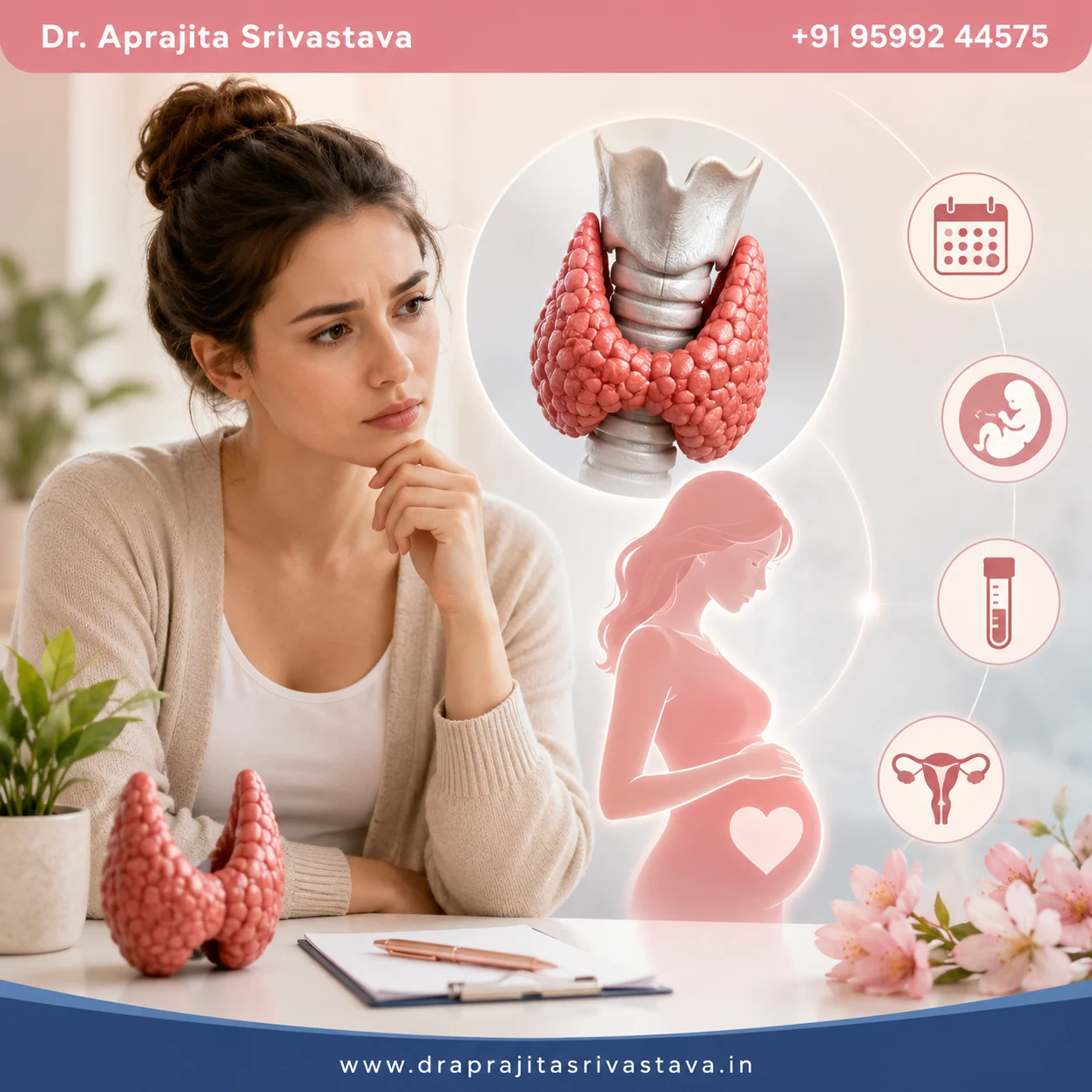
Can Thyroid Disorders Delay Pregnancy?
Yes. Both hypothyroidism (underactive thyroid) and hyperthyroidism (overactive thyroid) can delay pregnancy. The thyroid gland produces hormones that help regulate metabolism. These hormones also support the normal functioning of the reproductive system.
When thyroid hormone levels become too low or too high, the balance of reproductive hormones may be disturbed. This can affect ovulation, menstrual cycles, and the ability of the uterus to support implantation.
Many women with thyroid disorders conceive naturally after receiving appropriate treatment. The key is identifying the problem before it affects fertility for a longer period.
How Thyroid Hormones Affect Fertility?
Thyroid hormones work closely with the brain, ovaries, and uterus. A healthy thyroid supports every stage of conception.
- Helps regulate regular menstrual cycles.
- Supports healthy ovulation.
- Maintains progesterone production.
- Helps prepare the uterine lining for implantation.
- Supports healthy embryo development during early pregnancy.
When thyroid hormone levels become abnormal, the following problems may occur.
- Irregular or absent ovulation.
- Irregular menstrual cycles.
- Difficulty with embryo implantation.
- Higher risk of early miscarriage.
- Reduced fertility.
If you are also dealing with conditions like PCOS, thyroid imbalance may further affect fertility. You can also read our guide on how PCOS affects female fertility.
Hypothyroidism vs Hyperthyroidism
| Factor | Hypothyroidism | Hyperthyroidism |
|---|---|---|
| Thyroid Hormone | Too Low | Too High |
| Periods | Heavy or irregular | Light or missed |
| Ovulation | May stop or become irregular | May become irregular |
| Pregnancy Chances | May decrease | May decrease |
| Miscarriage Risk | Can increase if untreated | Can increase if untreated |
Both conditions require proper diagnosis and treatment before or during pregnancy planning.
Common Symptoms That May Affect Fertility
Symptoms of Hypothyroidism
- Irregular or heavy periods.
- Difficulty getting pregnant.
- Unexplained weight gain.
- Constant tiredness.
- Dry skin.
- Feeling cold frequently.
- Low mood.
- Reduced sexual desire.
Symptoms of Hyperthyroidism
- Missed periods.
- Weight loss despite normal eating.
- Rapid heartbeat.
- Feeling anxious.
- Heat intolerance.
- Excess sweating.
- Difficulty maintaining pregnancy.
These symptoms can have many causes. A proper medical evaluation is important before reaching any conclusion.
Who Should Get a Thyroid Test Before Pregnancy?
Thyroid screening may be recommended before conception if you have:
- Irregular menstrual cycles.
- Difficulty conceiving for several months.
- Previous miscarriage.
- PCOS.
- A family history of thyroid disease.
- An autoimmune disorder.
- Previous thyroid treatment.
- Plans for IVF or other fertility treatment.
If you are planning assisted reproduction, understanding your overall fertility health is equally important. Our article on when to consult an infertility specialist explains when expert evaluation becomes necessary.
How Thyroid Disorders Are Diagnosed?
Doctors usually diagnose thyroid disorders with a combination of medical history, physical examination, and blood tests.
- TSH (Thyroid Stimulating Hormone)
- Free T4
- Free T3 (when needed)
- Thyroid antibody tests for autoimmune thyroid disease
Some women may also require a thyroid ultrasound if their doctor suspects structural abnormalities.
What Is the Ideal TSH Level When Trying to Conceive?
Doctors generally aim for well-controlled thyroid function before pregnancy. The ideal TSH target depends on your medical history and individual health.
| Stage | General Goal |
|---|---|
| Planning pregnancy | Often around 1.0–2.5 mIU/L |
| First trimester | Usually below 2.5 mIU/L, based on medical guidance |
| Later pregnancy | Monitored regularly by your doctor |
Never adjust thyroid medication without medical advice.
Can Mild Thyroid Problems Affect Pregnancy?
Yes. Even mild thyroid dysfunction, often called subclinical hypothyroidism, may affect fertility in some women. Many women do not notice symptoms because the condition can develop slowly.
Although thyroid hormone levels may remain close to the normal range, an elevated TSH level can sometimes interfere with ovulation and implantation. Your fertility specialist will decide if treatment is needed based on your test results, symptoms, and pregnancy plans.
Thyroid Disorders and IVF
Thyroid health is an important part of fertility treatment. Before starting IVF, your doctor may recommend thyroid testing to ensure hormone levels are well controlled.
Untreated thyroid disorders may affect:
- Egg maturation.
- Ovulation.
- Endometrial receptivity.
- Embryo implantation.
- Early pregnancy maintenance.
If you are planning IVF, you may also find our guide on key considerations before starting IVF treatment helpful.
How Are Thyroid Disorders Treated?
Treatment depends on the type and severity of the thyroid disorder.
- Hypothyroidism is usually treated with levothyroxine.
- Hyperthyroidism may require anti-thyroid medicines or other treatment options recommended by an endocrinologist.
- Medication doses may need adjustment during pregnancy.
- Regular blood tests help monitor treatment response.
Do not stop or change thyroid medication without consulting your doctor.
Diet and Lifestyle Tips for Healthy Thyroid Function
Healthy habits support overall reproductive health. They should complement medical treatment, not replace it.
- Eat a balanced diet rich in fruits and vegetables.
- Include adequate protein in your meals.
- Consume iodine only as advised by your doctor.
- Maintain a healthy body weight.
- Exercise regularly.
- Manage stress.
- Sleep for 7 to 8 hours daily.
- Take thyroid medicine exactly as prescribed.
A nutritious diet also supports fertility. You can read our article on the role of nutrition in boosting fertility.
Possible Pregnancy Risks If Thyroid Disorders Are Left Untreated
Untreated thyroid disease during pregnancy may increase the risk of complications.
| Mother | Baby |
|---|---|
| Miscarriage | Low birth weight |
| Preterm birth | Delayed growth |
| Pregnancy-related hypertension | Developmental concerns |
| Preeclampsia | Need for specialized newborn care |
Regular prenatal care and thyroid monitoring can help reduce these risks.
When Should You See a Fertility Specialist?
Schedule a medical consultation if you:
- Have been trying to conceive for 12 months if you are under 35 years.
- Have been trying for 6 months if you are 35 years or older.
- Have irregular menstrual cycles.
- Have repeated miscarriages.
- Already know you have a thyroid disorder.
- Are planning IVF or IUI treatment.
Women looking for personalized fertility care can also learn about the services offered by an infertility specialist in Noida.
Myths and Facts About Thyroid and Pregnancy
| Myth | Fact |
|---|---|
| Thyroid disease always causes infertility. | Many women conceive after proper treatment. |
| Only severe thyroid disease affects fertility. | Even mild thyroid imbalance may require evaluation. |
| Thyroid medicine is unsafe during pregnancy. | Your doctor may recommend continuing treatment with regular monitoring. |
| You can stop medication after becoming pregnant. | Medication changes should only be made under medical supervision. |
Frequently Asked Questions
Can thyroid disorders delay pregnancy?
Yes. Both hypothyroidism and hyperthyroidism may affect ovulation, hormone balance, and implantation, making conception more difficult.
Can I get pregnant naturally with a thyroid disorder?
Many women conceive naturally after receiving appropriate treatment and maintaining healthy thyroid hormone levels.
Should thyroid be checked before IVF?
Yes. Thyroid evaluation is commonly included in fertility assessment before IVF because thyroid hormones influence reproductive health.
Can thyroid disorders increase miscarriage risk?
Untreated thyroid disease may increase the risk of miscarriage and other pregnancy complications. Proper treatment helps reduce these risks.
Does every woman planning pregnancy need thyroid testing?
Testing may be recommended if you have symptoms, irregular periods, infertility, recurrent miscarriage, autoimmune disease, or a family history of thyroid disorders.
Key Takeaway
The relationship between thyroid and pregnancy is well recognized in reproductive medicine. Thyroid disorders can affect ovulation, implantation, and healthy pregnancy progression. Fortunately, early diagnosis and appropriate treatment often improve fertility outcomes.
If you are experiencing difficulty conceiving, irregular periods, or repeated pregnancy loss, speak with a qualified fertility specialist. A simple thyroid evaluation may provide valuable information and help guide the next steps in your pregnancy journey.
Disclaimer: This article is intended for educational purposes only. It should not replace professional medical advice, diagnosis, or treatment. Always consult your healthcare provider for recommendations based on your individual health condition.