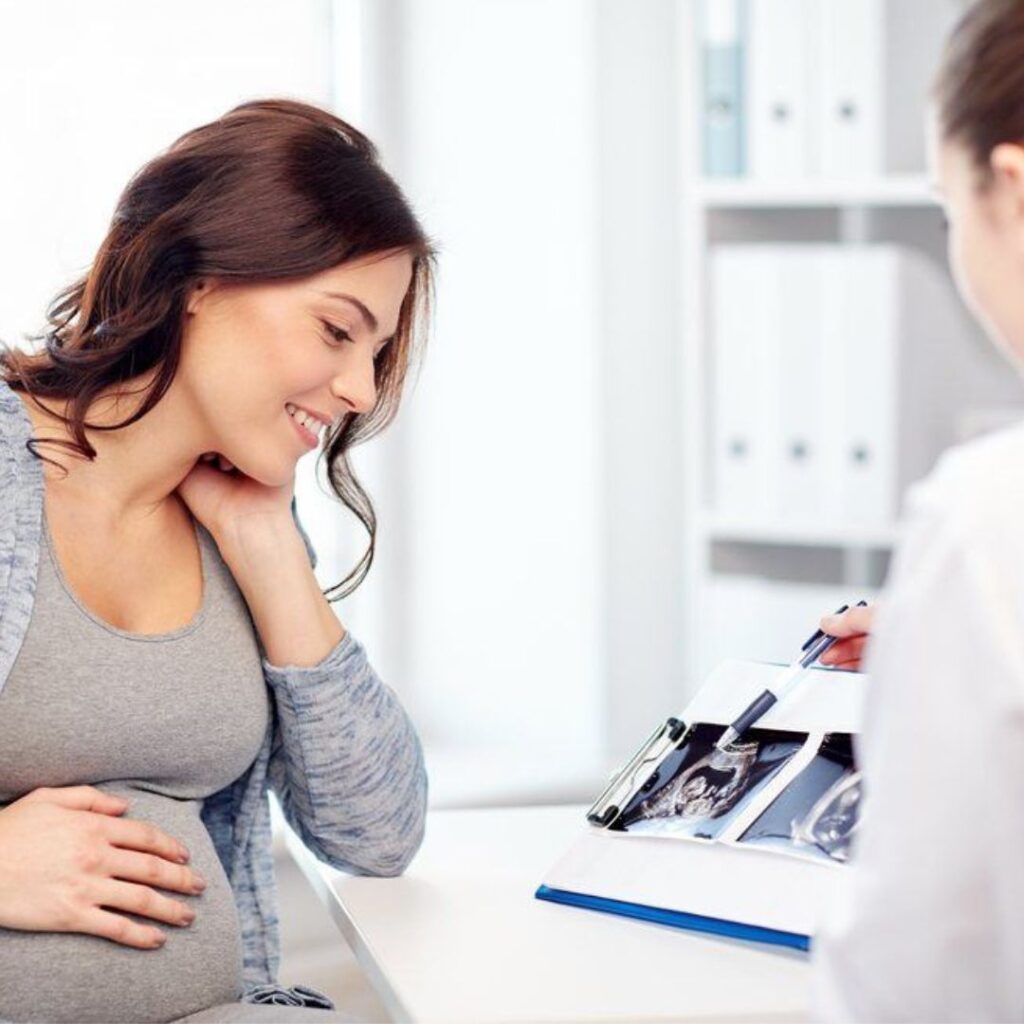
Polycystic ovary syndrome (PCOS) is a hormonal and metabolic condition that can affect ovulation, periods, skin, and insulin regulation. Many people with PCOS have healthy pregnancies and babies. However, PCOS is associated with a higher risk of certain pregnancy complications, so it is worth discussing care early if you are planning a pregnancy or have already conceived.
PCOS and Baby's Health are connected mainly through pregnancy-related risks and the mother's overall metabolic health. A diagnosis does not mean that a baby will have a problem. Individual risk varies with factors such as blood sugar, blood pressure, weight, age, medical history, and the course of the pregnancy.
How PCOS Can Influence Pregnancy
PCOS is associated with insulin resistance in many patients, meaning the body may not respond to insulin as effectively as expected. This can affect blood glucose regulation. PCOS is also associated with a greater chance of conditions such as gestational diabetes, high blood pressure during pregnancy, pre-eclampsia, miscarriage, and preterm birth.
These are increased risks, not certain outcomes. Many people with PCOS do not experience these complications. Your care team can review your history and decide which checks are needed before and during pregnancy. Managing blood sugar and blood pressure, when relevant, can support maternal health and reduce avoidable risks.
PCOS may also make ovulation less predictable, which can make conception take longer. If you are having difficulty conceiving, a clinician can assess ovulation and other possible fertility factors. Explore fertility evaluation and treatment options if you need guidance.
What Could These Risks Mean for the Baby?
Some pregnancy complications associated with PCOS can affect fetal growth, timing of birth, or the level of newborn monitoring required. For example, poorly controlled gestational diabetes can contribute to excessive fetal growth and newborn blood-sugar problems. High blood pressure and pre-eclampsia may affect placental function and can sometimes lead to early delivery.
Preterm birth can mean that a newborn needs extra support with breathing, feeding, temperature control, or blood sugar. These outcomes are not inevitable in a pregnancy complicated by PCOS. They depend on many factors, including whether complications develop and how they are managed.
Research has also explored possible longer-term associations between maternal PCOS and offspring health. These findings are complex and do not allow a prediction about an individual child. Avoid assuming that a child will develop a condition simply because the mother has PCOS.
Preparing for Pregnancy With PCOS
If you are planning a pregnancy, arrange a preconception appointment. Your clinician may review menstrual patterns, blood pressure, glucose-related risk, current medication, previous pregnancies, and other health factors. Depending on your history, they may recommend tests or treatment before conception.
Practical steps include:
- Discussing a prenatal vitamin and folic acid dose appropriate for you.
- Reviewing prescription medicines and supplements with your clinician.
- Working toward sustainable eating, movement, and sleep routines without extreme dieting.
- Managing diabetes, high blood pressure, thyroid disease, or other conditions if present.
- Avoiding smoking and alcohol when trying to conceive or during pregnancy.
Do not stop medication or begin a supplement regimen on your own. Some medicines used for PCOS may need to be reviewed before pregnancy, while others may be appropriate in specific circumstances. Your clinician can explain what to continue, change, or stop.
Care During Pregnancy
Once pregnant, attend antenatal visits and complete the screening recommended for your situation. Because PCOS is associated with gestational diabetes and hypertensive disorders, your clinician may assess these risks and recommend glucose testing or blood-pressure monitoring at appropriate times. Some patients need additional monitoring based on their full medical history.
Tell your maternity team if you have had gestational diabetes, high blood pressure, miscarriage, or preterm birth before. Also share any medicines you take for PCOS or related conditions. Keep a record of your questions and ask what symptoms should prompt a call or urgent assessment.
Continue balanced meals, suitable physical activity, and rest as advised. No particular food, detox, or supplement can guarantee a healthy pregnancy. If nausea, vomiting, or another symptom makes it hard to eat or drink, seek clinical advice rather than trying to manage it through restrictive diets.
Misconceptions About PCOS and Pregnancy
Myth: PCOS means a healthy pregnancy is unlikely. Fact: Many people with PCOS conceive and have healthy babies, although some need help with ovulation or closer pregnancy monitoring.
Myth: Every baby born to a mother with PCOS will have a health problem. Fact: PCOS is associated with increased risks of certain complications, but it does not predict an individual baby's outcome.
Myth: Lifestyle changes alone can remove all risk. Fact: Healthy habits can support general health, but they cannot eliminate every risk or replace screening and medical care.
Myth: A person with PCOS should stop all medicines immediately after a positive pregnancy test. Fact: Medication decisions depend on the medicine and the individual's health. Contact the prescribing clinician promptly rather than stopping treatment without guidance.
When to Seek Medical Advice
Seek early pregnancy care if you have PCOS and a positive pregnancy test, especially if you take medication or have diabetes, high blood pressure, or another medical condition. Seek urgent help for heavy bleeding, severe abdominal pain, fainting, severe headache with visual changes, chest pain, or other symptoms your maternity team identifies as emergencies.
If conception is taking longer than expected, do not assume PCOS is the only possible cause. Fertility evaluation may consider ovulation, the fallopian tubes, the uterus, and sperm factors where relevant. A personalised assessment can help identify the next reasonable step.
Frequently Asked Questions
Does PCOS always harm a baby's health?
No. Many pregnancies in people with PCOS result in healthy babies. PCOS is associated with some increased risks, so appropriate monitoring is important.
Can PCOS cause miscarriage?
Research links PCOS with a higher risk of pregnancy loss, but miscarriage has many causes and an individual outcome cannot be predicted from PCOS alone.
Will I need extra pregnancy scans because of PCOS?
Not everyone needs the same monitoring. Your clinician will decide based on your health, pregnancy course, and any complications or additional risk factors.
Should I change my PCOS medication when pregnant?
Discuss every medication with your clinician as soon as pregnancy is planned or confirmed. Do not stop or change prescribed treatment without medical advice.
Conclusion: PCOS Calls for Care, Not Fear
PCOS can increase the likelihood of certain pregnancy complications, but it does not mean that a baby's health will be affected. Preconception counselling, antenatal care, appropriate screening, and management of related conditions can help guide a safer pregnancy. Work with your clinician to create a plan that reflects your own health and needs.
Medical note: This article is for general education and does not replace individual medical advice.