Introduction
Being diagnosed with uterine fibroids can raise an immediate question: can they shrink naturally without surgery or medication? The answer is sometimes, but it depends on age, hormone levels, fibroid size and location. Some fibroids remain stable, some grow, and others become smaller—especially after menopause.
Fibroids are non-cancerous growths in or around the uterus. They are common, and many cause no symptoms. However, fibroids can sometimes lead to heavy menstrual bleeding, pelvic pressure, pain, frequent urination or difficulty conceiving, depending on where they sit and how they affect the uterine cavity.
Can fibroids shrink without treatment?
Fibroids are influenced by hormones, including oestrogen and progesterone. After menopause, these hormone levels fall, and fibroids often shrink. The degree of shrinkage varies, and symptoms may not disappear immediately.
Before menopause, natural shrinkage is less predictable. A fibroid may stay the same size for a period and later change. Symptoms and growth patterns cannot be reliably predicted from diet or a home remedy. Follow-up may include a symptom review, examination or ultrasound, depending on the clinical situation.
If a fibroid is small and not causing problems, a clinician may recommend watchful waiting rather than immediate treatment. This is active monitoring, not neglect: seek review if symptoms change.
Can diet or exercise shrink fibroids?
A balanced diet and regular physical activity support general health, but there is no strong evidence that a specific food, detox, tea or exercise routine reliably shrinks existing fibroids. Maintaining a healthy lifestyle may help overall wellbeing, but it should not be promoted as a substitute for treatment when symptoms are significant.
Be cautious with supplements and herbal remedies marketed to dissolve fibroids. Products can vary in ingredients and may interact with medicines. Do not take high doses or stop prescribed treatment without medical advice.
Rather than chasing a single “fibroid diet,” focus on varied meals, regular movement and appropriate care for heavy bleeding or pain. If bleeding is heavy, ask whether you need testing for anaemia or iron deficiency.
Why fibroid location matters
Size is only one part of the picture. Fibroids that bulge into the uterine cavity may affect bleeding and, in some cases, fertility. Fibroids within the uterine wall or on the outer surface may cause different symptoms depending on their size and position.
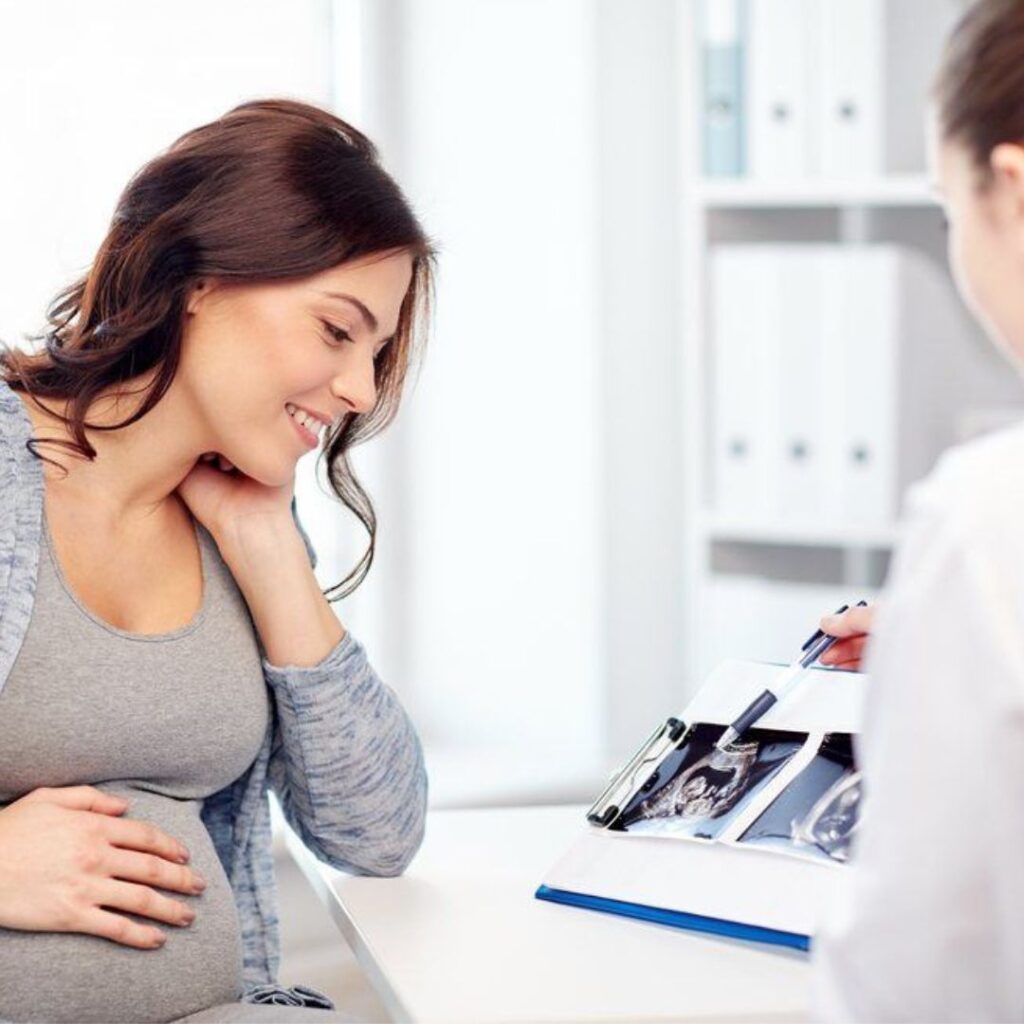
Some people with fibroids conceive and have healthy pregnancies. Others may need a more detailed assessment, especially if they have recurrent pregnancy loss, difficulty conceiving or a fibroid that changes the shape of the uterine cavity. A gynecologist in Noida can review ultrasound findings alongside symptoms and pregnancy plans.
When should fibroids be treated?
Treatment depends on symptom severity, fibroid characteristics, age and whether pregnancy is desired. Options may include monitoring, medicines to manage bleeding or pain, hormonal treatments, procedures that target fibroids, or surgery such as myomectomy. Hysterectomy is a definitive option for some people who do not wish to carry a future pregnancy, but it is not suitable for everyone.
Treatment decisions should account for future fertility. Some procedures may affect the uterus or pregnancy planning, while others are intended mainly to control symptoms. Ask about expected benefits, risks, recovery time and the chance that fibroids may recur.
Heavy bleeding that disrupts daily life may need assessment and treatment. If you also experience severe period pain or unusually heavy periods, information about menorrhagia treatment in Noida may be relevant.
Symptoms that should not be ignored
Arrange medical review if you have periods that are much heavier or longer than usual, bleeding between periods, persistent pelvic pressure, increasing abdominal size, pain during sex, frequent urination or difficulty becoming pregnant.
Seek urgent care for very heavy bleeding with faintness, shortness of breath, chest pain or marked weakness, or for sudden severe pelvic pain. These symptoms need prompt assessment rather than waiting for a lifestyle change to work.
Frequently asked questions
Can fibroids disappear naturally? They usually do not simply disappear before menopause, though some may shrink. After menopause, shrinkage is more common.
Does pregnancy shrink fibroids? Pregnancy does not reliably shrink fibroids. They may change in size during pregnancy, and the pattern varies.
Can I try to conceive if I have fibroids? Many people can. The effect depends on fibroid location, size, symptoms and other fertility factors, so individual assessment is important.
Conclusion: monitor changes and choose care based on symptoms
Natural fibroid shrinkage is possible in some circumstances, particularly after menopause, but no diet or supplement has been proven to reliably dissolve fibroids. If symptoms are mild, monitoring may be appropriate. If bleeding, pain or fertility concerns are present, an assessment can help you understand which options fit your needs.
For an individual review of fibroids and reproductive plans, contact Dr. Aprajita Srivastava at QURE CLINIC, Sector 121, Noida, on +91 95992 44575.