
Egg quality plays an important role in natural conception and fertility treatments like IVF. A healthy egg has the right genetic makeup to support fertilization and embryo development. While no food can increase the number of eggs in your ovaries, the right nutrition can support healthy egg development and protect eggs from oxidative stress.
It takes around three months for an egg to mature before ovulation. That is why healthy food choices, regular sleep, stress management, and an active lifestyle can positively support reproductive health over time. If you are planning pregnancy or preparing for fertility treatment, adding the right foods to improve egg quality may help create a healthier environment for egg development.
What Is Egg Quality?
Egg quality refers to the health and genetic normality of an egg. Healthy eggs have the correct number of chromosomes, making fertilization and embryo development more likely. Poor-quality eggs are more likely to have chromosomal abnormalities, which can reduce the chances of conception or increase the risk of miscarriage.
Age is one of the biggest factors affecting egg quality. However, nutrition, lifestyle, smoking, alcohol intake, stress, and certain medical conditions can also influence reproductive health.
Egg Quality vs Egg Quantity
| Egg Quality | Egg Quantity |
|---|---|
| Refers to how healthy an egg is. | Refers to the number of eggs remaining in the ovaries. |
| Affects fertilization and embryo development. | Reflects ovarian reserve. |
| Influenced by age, nutrition, and lifestyle. | Often assessed using AMH and antral follicle count. |
| Cannot be measured by one single test. | Can be estimated through fertility investigations. |
How Nutrition Supports Egg Health?
Your body needs a steady supply of vitamins, minerals, healthy fats, and antioxidants to support egg maturation. These nutrients help reduce oxidative stress, support hormone production, and improve overall reproductive health.
A balanced fertility diet should include:
- High-quality protein
- Healthy fats
- Whole grains
- Fresh fruits
- Green leafy vegetables
- Nuts and seeds
- Adequate water intake
Essential Nutrients That Support Healthy Eggs
| Nutrient | Why It Matters | Food Sources |
|---|---|---|
| Folate | Supports healthy cell division. | Spinach, lentils, broccoli |
| Omega-3 Fatty Acids | Supports hormone balance. | Walnuts, flaxseeds, chia seeds |
| Vitamin D | Supports reproductive health. | Fortified milk, eggs, sunlight |
| Iron | Supports healthy ovulation. | Beans, spinach, chickpeas |
| Selenium | Protects cells from oxidative stress. | Brazil nuts, sunflower seeds |
| Protein | Supports tissue repair and hormone production. | Paneer, dal, eggs, yogurt |
Top Foods to Improve Egg Quality Naturally
1. Green Leafy Vegetables
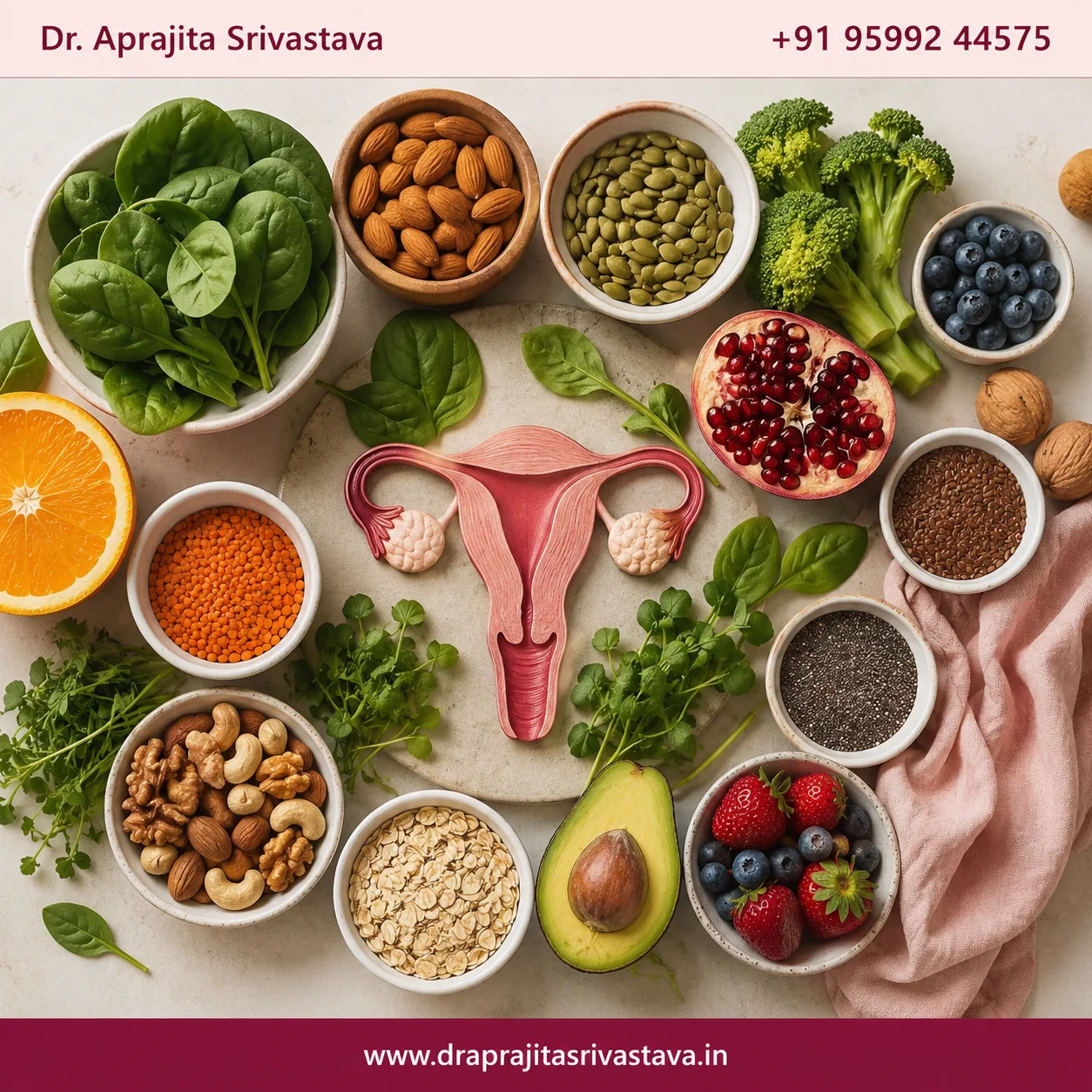
Spinach, kale, broccoli, and fenugreek leaves provide folate, iron, calcium, and antioxidants. These nutrients support healthy cell growth and hormone balance. Include one to two servings every day.
2. Lentils and Beans
Rajma, moong dal, masoor dal, and chickpeas are excellent plant-based protein sources. They also provide iron and folate. These are among the most useful foods to improve egg quality because they support healthy ovulation and reproductive function.
3. Walnuts and Almonds
Walnuts provide omega-3 fatty acids and antioxidants. Almonds contain vitamin E, which helps protect cells from oxidative damage. A small handful each day makes a healthy snack.
4. Flaxseeds, Pumpkin Seeds, and Sunflower Seeds
Seeds contain healthy fats, zinc, selenium, and plant-based omega-3 fatty acids. They can be sprinkled over salads, curd, or oatmeal to improve overall nutrient intake.
5. Berries
Blueberries, strawberries, and raspberries are rich in vitamin C and antioxidants. These nutrients help protect developing eggs from oxidative stress and support overall reproductive health.
6. Avocados
Avocados provide healthy monounsaturated fats and folate. Healthy fats support hormone production and may contribute to better reproductive health when included in a balanced diet.
7. Whole Grains
Brown rice, oats, quinoa, jowar, and bajra provide fibre and B vitamins. They help maintain steady blood sugar levels, which is particularly important for women with insulin resistance or PCOS.
Indian Foods That Naturally Support Fertility
Many everyday Indian foods can become part of a fertility-friendly diet.
- Moong dal
- Kala chana
- Ragi
- Bajra
- Paneer
- Curd
- Makhana
- Amla
- Sesame seeds
- Fresh seasonal fruits
Choosing fresh, minimally processed foods is often more beneficial than relying on packaged health products.
Expert Insight
According to Dr. Aprajita Srivastava, IVF Specialist and Best Gynaecologist in Noida, nutrition should be viewed as one part of a complete fertility plan. A balanced diet, healthy body weight, proper sleep, and timely medical evaluation all contribute to better reproductive health. Women planning pregnancy or IVF should seek personalised dietary advice based on their age, ovarian reserve, hormonal profile, and overall health.
Women experiencing delayed conception can also benefit from consulting an Infertility Specialist in Noida for a comprehensive fertility evaluation. Those preparing for assisted reproduction may also find it helpful to learn more about an IVF Center in Noida and fertility nutrition before beginning treatment.
Dr. Aprajita Srivastava
IVF Specialist & Best Gynaecologist in Noida
QURE CLINIC, Office No. 143, 1st Floor, Cleo Street, Sector 121, Noida, Uttar Pradesh 201301
Phone: +91 95992 44575
Foods and Habits That Can Harm Egg Quality
Along with eating the right foods to improve egg quality, it is equally important to limit habits that may negatively affect reproductive health.
- Highly processed foods with trans fats.
- Sugary drinks and excess refined sugar.
- Smoking and tobacco use.
- Excess alcohol consumption.
- More than 200 mg of caffeine daily unless advised otherwise by your doctor.
These habits may increase oxidative stress or interfere with hormone balance. Replacing them with nutrient-rich meals is a healthier long-term approach.
Simple Lifestyle Changes That Support Egg Health
Nutrition works best when combined with healthy daily habits.
- Sleep for 7–8 hours every night.
- Maintain a healthy body weight.
- Exercise for at least 30 minutes most days.
- Practice yoga or meditation to manage stress.
- Drink enough water throughout the day.
- Avoid smoking and recreational drugs.
- Limit exposure to unnecessary environmental toxins whenever possible.
If you have PCOS, thyroid disorders, or irregular periods, early medical evaluation can help identify factors affecting fertility. You may also find our guide on PCOS diet planning helpful.
One-Day Meal Plan Using Foods to Improve Egg Quality
| Meal | Suggested Foods |
|---|---|
| Breakfast | Vegetable oats with spinach and almonds. |
| Mid-Morning | Fresh berries or seasonal fruit with curd. |
| Lunch | Brown rice, moong dal, mixed vegetables, and cucumber salad. |
| Evening Snack | Roasted makhana with walnuts. |
| Dinner | Multigrain roti, paneer, broccoli, and sautéed vegetables. |
This meal plan includes several foods to improve egg quality while providing protein, fibre, healthy fats, vitamins, and minerals.
Who May Benefit Most from a Fertility-Friendly Diet?
- Women planning pregnancy.
- Women above 35 years of age.
- Women with PCOS.
- Women with low ovarian reserve.
- Couples preparing for IVF or IUI.
Diet alone cannot treat infertility. However, it supports overall reproductive health when combined with appropriate medical care.
When Should You Consult a Fertility Specialist?
Healthy eating is important. However, professional evaluation should not be delayed if:
- You are below 35 and have been trying to conceive for one year.
- You are above 35 and have been trying for six months.
- Your menstrual cycles are irregular.
- You have recurrent pregnancy loss.
- You have been diagnosed with PCOS, endometriosis, or low AMH.
Women preparing for fertility treatment can also read about natural ways to improve egg quality before IVF and understand how nutrition fits into a personalised fertility plan.
Frequently Asked Questions
Can foods improve egg quality naturally?
A balanced diet rich in antioxidants, healthy fats, protein, vitamins, and minerals supports overall reproductive health. It cannot create new eggs but may help support healthy egg development.
How long does it take to improve egg quality?
Egg maturation takes around three months. Healthy lifestyle changes are generally recommended consistently during this period.
Which fruit is best for egg quality?
Berries, oranges, kiwi, pomegranate, and seasonal fruits provide antioxidants and vitamin C that support overall health.
Are walnuts good for fertility?
Yes. Walnuts contain omega-3 fatty acids and antioxidants that are valuable additions to a balanced fertility diet.
Can women with PCOS follow this diet?
Many of these foods are suitable for women with PCOS. Individual dietary needs may differ, so personalised guidance from a healthcare professional is recommended.
Should I take fertility supplements?
Supplements such as folic acid, vitamin D, omega-3 fatty acids, or CoQ10 should only be taken after medical advice based on your health condition.
Final Thoughts
Including the right foods to improve egg quality is a positive step toward better reproductive health.
Focus on whole grains, fresh vegetables, fruits, legumes, nuts, seeds, and healthy fats. Combine these choices with adequate sleep, regular exercise, and stress management.
If pregnancy is taking longer than expected or you have known fertility concerns, consult a qualified fertility specialist for a complete evaluation and personalised guidance.