After an unsuccessful IVF cycle, one of the first questions couples ask is, “How long between IVF cycles should we wait before trying again?” The answer is not the same for everyone. Your recovery time depends on your physical health, emotional well-being, hormone levels, ovarian response, and the reason the previous cycle did not lead to pregnancy.
In many cases, fertility specialists recommend waiting for at least one complete menstrual cycle before starting another IVF cycle. This gives your body time to recover from fertility medications and allows your doctor to review the previous treatment. Some couples may be ready sooner, while others may benefit from a longer break to improve the chances of success.
If you are planning another IVF attempt, it is also important to understand why the previous cycle did not work. A personalized treatment plan can make a meaningful difference in the next cycle. You can also learn more about the IVF treatment process before planning your next step.
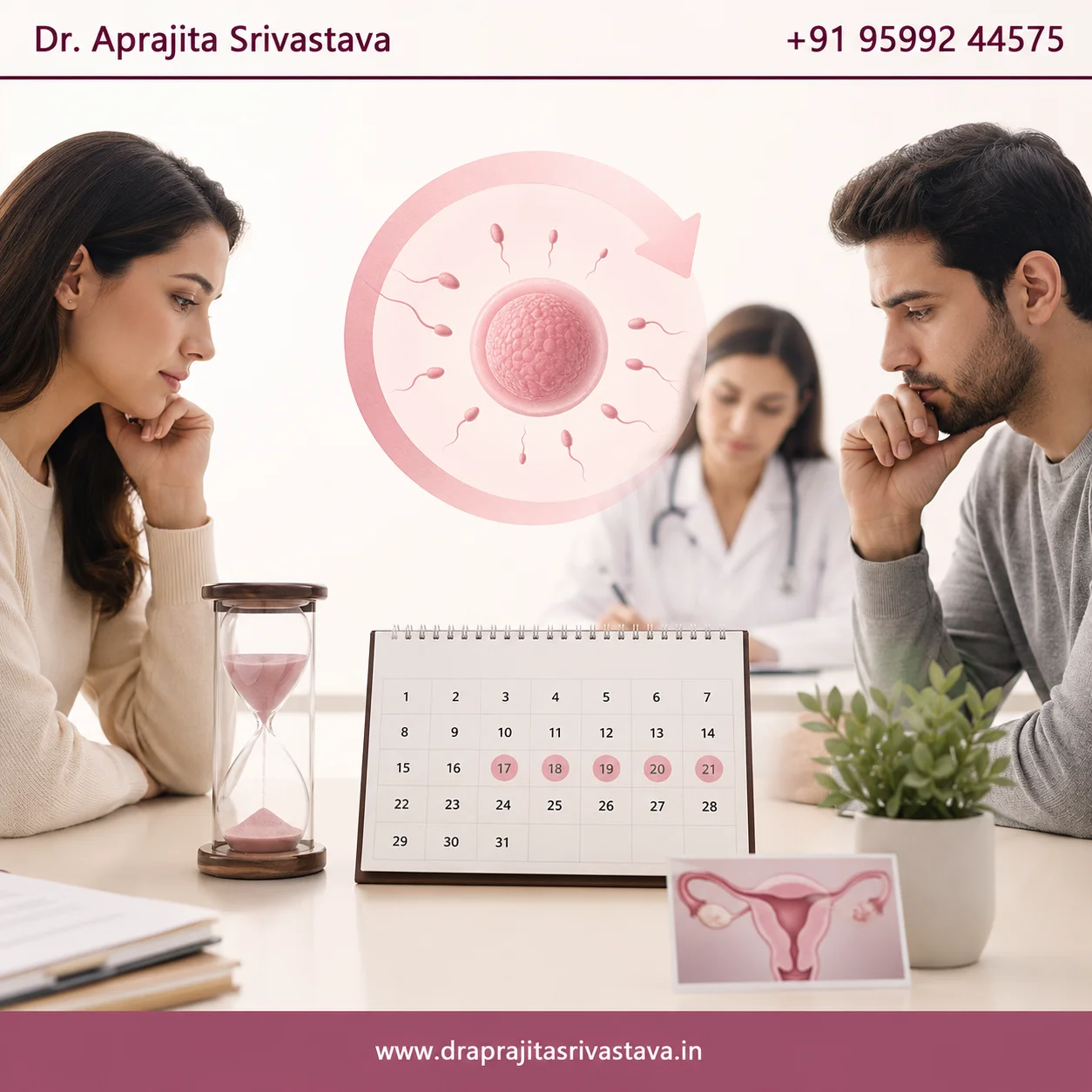
How Long Between IVF Cycles Is Usually Recommended?
There is no fixed waiting period that applies to every couple. Fertility specialists consider several medical factors before recommending the right interval.
| Situation | Recommended Waiting Period |
|---|---|
| Failed fresh IVF cycle | Usually one menstrual cycle (around 4–6 weeks) |
| Frozen embryo transfer (FET) | May be planned in the next suitable cycle if medically appropriate |
| Recovery from OHSS | Until the ovaries have completely recovered |
| After miscarriage following IVF | Depends on recovery and medical evaluation |
| After surgery or uterine treatment | As advised by your fertility specialist |
The decision should always be based on your individual health rather than a fixed timeline. If your body has recovered well and your fertility specialist identifies no medical concerns, the next IVF cycle may begin sooner. In some situations, additional evaluation is necessary before moving forward.
Why Do Doctors Recommend Waiting Between IVF Cycles?
The waiting period is not simply about taking a break. It gives your body and your fertility team time to prepare for a better treatment plan.
Hormone Levels Need Time to Stabilize
During IVF, hormone injections stimulate the ovaries to produce multiple eggs. After egg retrieval, your hormone levels gradually return to normal. Starting another cycle too soon may not be suitable for every patient.
Ovarian Recovery Is Important
The ovaries can remain enlarged or sensitive for some time after stimulation. Allowing them to recover may reduce discomfort and helps your doctor assess ovarian function more accurately before the next treatment.
The Uterus Should Be Ready for Implantation
A healthy uterine lining plays an important role in embryo implantation. Your doctor may recommend additional investigations if there are concerns about endometrial thickness or uterine health before the next IVF cycle.
Time to Review the Previous IVF Cycle
If the previous treatment was unsuccessful, your fertility specialist will review several factors, including:
- Egg quality
- Sperm quality
- Embryo development
- Fertilization results
- Implantation pattern
- Medication response
This review helps identify possible improvements for the next treatment cycle. Couples facing repeated IVF failures may also benefit from an expert evaluation before another attempt.
Can You Start Another IVF Cycle Immediately?
Not always.
Some patients recover quickly and may be medically fit to begin another cycle after one menstrual period. Others may need additional time because of ovarian hyperstimulation, hormonal imbalance, uterine concerns, or emotional stress.
The decision should never be based only on age or urgency. Your fertility specialist will evaluate your overall health and discuss the safest approach for your situation.
If your doctor recommends additional investigations or changes in treatment, following those recommendations may improve the chances of success in the next IVF cycle.
Factors That Decide How Long You Should Wait
Every IVF journey is different. Several medical and lifestyle factors influence how long between IVF cycles may be appropriate.
- Age of the female partner
- Ovarian reserve and AMH levels
- PCOS or endometriosis
- Response to ovarian stimulation medicines
- Embryo quality
- Recovery after egg retrieval
- Overall physical and emotional health
- Male fertility factors
Your fertility specialist may also recommend additional tests if there are repeated implantation failures or previous pregnancy losses. A personalized treatment approach often provides more useful information than repeating the same protocol.
Patients looking for individualized fertility care can consult an infertility specialist in Noida to discuss the most suitable timeline for their next IVF cycle.
Fresh IVF vs Frozen Embryo Transfer: Does the Waiting Period Change?
Yes. The recommended interval may differ depending on the treatment plan.
| Fresh IVF Cycle | Frozen Embryo Transfer (FET) |
|---|---|
| Requires ovarian stimulation | Uses previously frozen embryos |
| Body needs recovery after egg retrieval | Usually less physical recovery required |
| Waiting period is often longer | May begin in the next suitable menstrual cycle if medically appropriate |
Your fertility specialist will decide which approach is more appropriate based on your medical history, embryo quality, and uterine readiness.
Does Waiting Longer Improve IVF Success?
Many couples believe that waiting longer automatically increases the chances of pregnancy. Current medical evidence does not show that simply delaying the next IVF cycle improves success rates. What matters most is identifying and addressing the factors that affected the previous cycle.
The waiting period becomes valuable when it allows your fertility specialist to:
- Review the previous IVF cycle.
- Modify the treatment protocol if required.
- Correct hormonal or nutritional deficiencies.
- Treat uterine or ovarian conditions.
- Support your emotional recovery.
If no significant medical issues are found and your body has recovered well, your doctor may recommend starting the next cycle after one menstrual period.
How to Prepare During the Waiting Period?
The time between two IVF cycles can be used to improve your overall health. Small lifestyle changes may help your body prepare for the next treatment.
Focus on Nutrition
Choose a balanced diet that includes lean protein, fresh vegetables, fruits, whole grains, and healthy fats. Stay hydrated and continue only those supplements prescribed by your fertility specialist.
You may also find this guide on foods that support IVF treatment helpful while planning your meals.
Stay Physically Active
Light exercise helps improve circulation and supports overall well-being.
- Walking
- Gentle yoga
- Stretching exercises
- Low-impact workouts approved by your doctor
Avoid strenuous exercise unless your fertility specialist advises otherwise.
Take Care of Your Emotional Health
A failed IVF cycle can be emotionally exhausting. Give yourself time to recover. Talking with your partner, family members, or a qualified counsellor may help reduce stress before starting another cycle.
Good sleep, mindfulness, and stress management techniques may also support your overall well-being during this period.
Tests Your Doctor May Recommend Before the Next IVF Cycle
Not every patient requires additional investigations. However, if you have experienced repeated IVF failure or implantation problems, your fertility specialist may recommend further evaluation.
- Hormone profile
- AMH test
- Thyroid function tests
- Vitamin D assessment
- Pelvic ultrasound
- Uterine cavity evaluation when indicated
- Semen analysis if required
These investigations help your doctor understand if any changes are needed before another IVF cycle begins.
Mistakes to Avoid Before Your Next IVF Cycle
Preparing for another IVF cycle involves more than waiting for the next appointment. Avoid these common mistakes.
- Starting another cycle without medical advice.
- Ignoring follow-up appointments.
- Stopping prescribed medicines or supplements on your own.
- Smoking or excessive alcohol consumption.
- Following extreme diets for rapid weight loss.
- Ignoring male fertility evaluation.
- Skipping recommended diagnostic tests.
Working closely with your fertility specialist helps create a treatment plan that matches your individual medical needs.
When Should You Consult an IVF Specialist?
If you are unsure how long between IVF cycles is appropriate in your case, consult a fertility specialist instead of relying on a fixed timeline. Medical advice becomes especially important if you have:
- Two or more failed IVF cycles.
- Low ovarian reserve or low AMH.
- PCOS or endometriosis.
- Recurrent miscarriage.
- Repeated implantation failure.
- Male factor infertility.
Dr. Aprajita Srivastava is an experienced IVF Specialist, Gynecologist, and Laparoscopic Surgeon practicing at QURE Clinic, Sector 121, Noida. She provides personalized fertility evaluation and treatment plans based on each couple’s medical history instead of following a one-size-fits-all approach.
Patients seeking expert guidance for IVF, IUI, fertility preservation, or complex infertility cases can schedule a consultation to understand the most suitable time for their next IVF cycle.
Dr. Aprajita Srivastava
IVF Specialist & Gynecologist
QURE Clinic, Office No. 143, 1st Floor, Cleo Street, Sector 121, Noida, Uttar Pradesh 201301
Phone: +91 95992 44575
Google Maps: View Clinic Location
If you would like to understand your treatment options in detail, you can also read about IVF success factors and how a first consultation with an IVF specialist can help plan your next treatment effectively.
Frequently Asked Questions
1. How long between IVF cycles should I wait after a failed attempt?
Most fertility specialists recommend waiting for one complete menstrual cycle, which is usually around 4–6 weeks. The ideal timing depends on your recovery, ovarian response, and your doctor’s assessment of the previous IVF cycle.
2. Can I start another IVF cycle immediately?
Some patients may be medically ready after one menstrual cycle. Others may need additional time if they experienced ovarian hyperstimulation syndrome (OHSS), hormonal imbalance, or other complications. Your fertility specialist will recommend the safest timeline.
3. Does waiting longer improve IVF success?
Waiting longer alone does not guarantee a higher success rate. The important step is identifying and addressing the factors that affected the previous cycle. A personalized treatment plan is usually more beneficial than simply delaying treatment.
4. Can lifestyle changes help before the next IVF cycle?
Yes. A balanced diet, regular sleep, moderate exercise, stress management, and avoiding smoking or excessive alcohol can support your overall health before the next IVF cycle.
5. Should my treatment plan change after a failed IVF cycle?
It may. Depending on your previous response, your fertility specialist may recommend changes in medication, additional investigations, embryo transfer strategy, or further fertility evaluation before the next attempt.
Key Takeaways
- Most couples are advised to wait at least one menstrual cycle before another fresh IVF cycle.
- The ideal waiting period varies from person to person.
- Physical recovery and emotional well-being are equally important.
- Your previous IVF cycle should be carefully reviewed before repeating treatment.
- Lifestyle improvements and personalized medical planning may help optimize the next IVF cycle.
Conclusion
If you are wondering how long between IVF cycles is appropriate, the answer depends on your individual medical condition rather than a fixed timeline. Giving your body enough time to recover, reviewing the previous IVF cycle, and making necessary treatment adjustments can help you move into the next cycle with greater confidence.
Every fertility journey is unique. Decisions about the next IVF cycle should always be based on a detailed medical evaluation instead of assumptions or general timelines.
If you are planning another IVF cycle or looking for a second opinion, consulting an experienced fertility specialist can help you understand the most suitable treatment strategy for your specific situation.