Choosing the right IVF approach is one of the most important decisions in a fertility journey. Among the available options, Minimal Stimulation IVF (Mini IVF) and Conventional IVF are two widely used protocols—each with its own advantages, limitations, and ideal patient profiles.
This blog provides a comparison + analytical breakdown of both methods to help you understand which option may be more suitable based on medical needs, cost, and treatment goals.
Understanding IVF: A Quick Overview
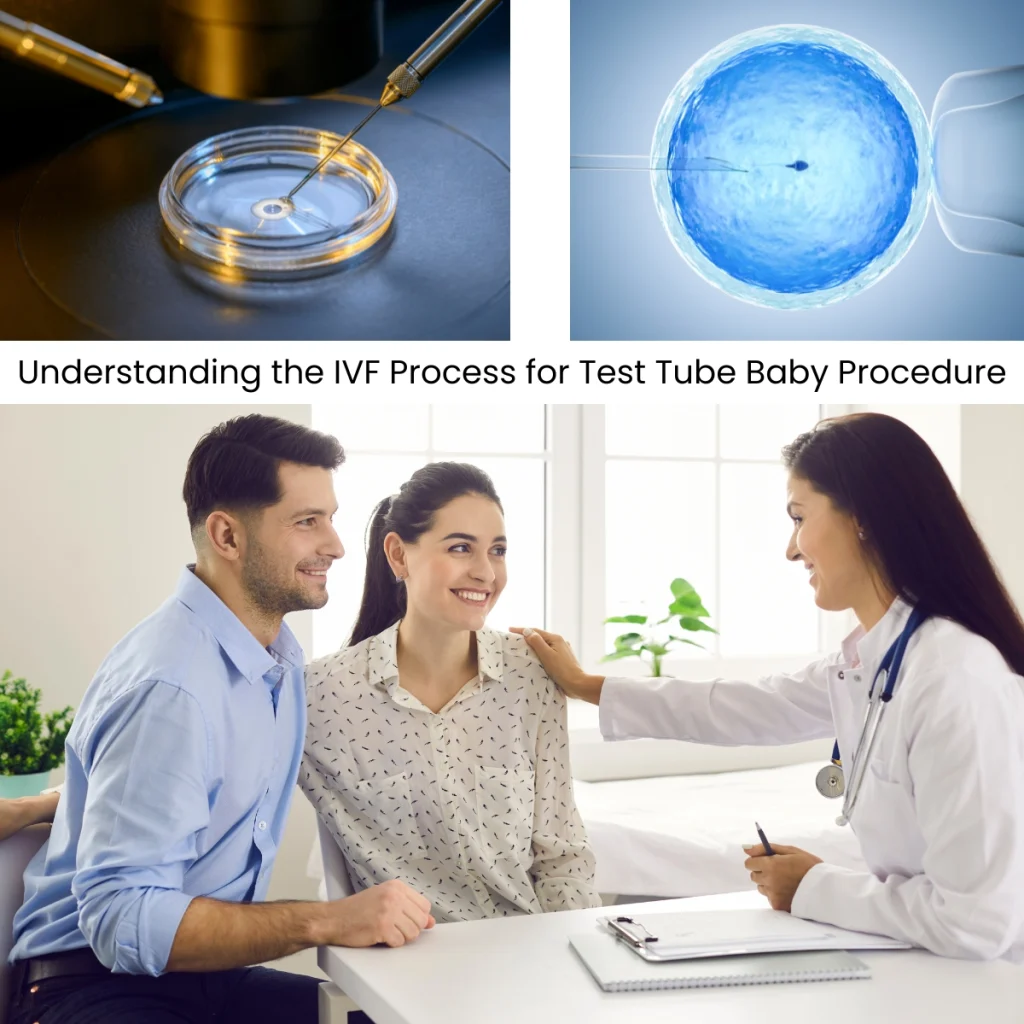
In vitro fertilization (IVF) is an assisted reproductive technique where eggs are retrieved from the ovaries, fertilized with sperm in a lab, and then transferred into the uterus.
To understand the basics in detail, you can explore this complete IVF treatment and test tube baby guide.
The key difference between IVF protocols lies in how the ovaries are stimulated to produce eggs.
What Is Conventional IVF?
Conventional IVF involves high-dose hormonal stimulation to encourage the ovaries to produce multiple eggs in a single cycle.
Key Features:
- Use of injectable fertility hormones
- Retrieval of a higher number of eggs
- Multiple embryos available for selection or freezing
Goal:
Maximize the number of eggs to increase the chances of successful fertilization and pregnancy.
What Is Minimal Stimulation IVF (Mini IVF)?
Minimal stimulation IVF uses lower doses of medications or oral drugs to stimulate the ovaries.
Key Features:
- Fewer injections or milder medications
- Retrieval of fewer eggs (usually 2–6)
- Lower medication cost
Goal:
Focus on quality over quantity while reducing physical and financial burden.
Minimal IVF vs Conventional IVF: A Comparative Analysis
1. Stimulation Intensity
- Conventional IVF: High-dose hormone injections
- Minimal IVF: Low-dose or oral stimulation
👉 Analytical Insight: High stimulation may produce more eggs, but it can also increase side effects. Minimal IVF aims to reduce this risk.
2. Number of Eggs Retrieved
- Conventional IVF: 10–15 eggs (average)
- Minimal IVF: 2–6 eggs
👉 Which Is Better? More eggs increase statistical chances, but not all eggs are viable. Mini IVF focuses on retrieving fewer but potentially healthier eggs.
3. Cost Comparison
- Conventional IVF: Higher due to medications and monitoring
- Minimal IVF: Lower overall cost
👉 Analytical Insight: Mini IVF can be cost-effective, especially for couples needing multiple cycles.
4. Risk of Side Effects
- Conventional IVF: Higher risk of Ovarian Hyperstimulation Syndrome (OHSS)
- Minimal IVF: Significantly lower risk
👉 Conclusion: Minimal IVF is safer for women sensitive to hormonal medications.
5. Success Rates
- Conventional IVF: Higher per cycle success rate
- Minimal IVF: Slightly lower per cycle, but comparable over multiple cycles
👉 Important Note: Success depends on age, egg quality, and underlying fertility conditions.
Understanding underlying fertility issues through resources like causes of infertility and available treatment options helps in choosing the right protocol.
6. Physical and Emotional Impact
- Conventional IVF: More physically demanding due to injections and side effects
- Minimal IVF: Less stressful and more patient-friendly
👉 Analytical Insight: Emotional well-being plays a significant role in fertility treatment outcomes.
Who Should Consider Minimal IVF?
Minimal stimulation IVF may be suitable for:
- Women with low ovarian reserve
- Patients at risk of OHSS
- Those looking for a less aggressive approach
- Couples with budget constraints
Who Should Consider Conventional IVF?
Conventional IVF is often recommended for:
- Younger women with good ovarian reserve
- Couples seeking higher success rates in fewer cycles
- Cases requiring genetic testing (PGT)
- Severe male or female infertility
Is One Protocol Better Than the Other?
The answer is not absolute.
Analytical Conclusion:
- Conventional IVF is more aggressive and may offer higher success rates per cycle
- Minimal IVF is safer, more affordable, and less invasive
👉 The “better” option depends on:
- Age
- Hormonal profile
- Medical history
- Fertility diagnosis
- Financial considerations
There is no one-size-fits-all solution in fertility care.
Role of Personalized Treatment in IVF Success
Modern fertility care focuses on customized treatment plans rather than a fixed protocol. A fertility specialist evaluates:
- Ovarian reserve (AMH levels)
- Hormonal balance
- Previous IVF attempts
- Overall health
If you notice irregular cycles or difficulty conceiving, recognizing early signs that indicate a gynecologist consultation is needed can help in timely diagnosis.
Expert Perspective: A Balanced Approach
In clinical practice, many specialists now adopt a hybrid or individualized approach, combining elements of both protocols depending on patient response.
Instead of asking which IVF is better, the more relevant question is: Which IVF protocol is better for a specific patient?
About the Specialist (Analytical Inclusion)
In fertility care, outcomes often depend as much on clinical judgment as on the protocol itself. An experienced specialist evaluates not just medical reports, but also patient comfort, long-term reproductive goals, and response to treatment.
Dr. Aprajita Srivastava, based in Sector 121, Noida, is known for her structured and patient-centric approach in reproductive medicine. With expertise in IVF, IUI, and laparoscopic procedures, she focuses on selecting protocols that align with individual patient profiles rather than following a one-method-fits-all model.
This analytical and personalized strategy is especially important in complex or previously unsuccessful IVF cases.
Contact Details: Phone: +91 95992 44575
Address: Ofc No 143, 1st Floor, QURE CLINIC, Cleo St, Sector 121, Noida, Uttar Pradesh 201301
Location: https://maps.app.goo.gl/xKC5rTW5NfitCmBF6
Final Verdict
Minimal Stimulation IVF is not universally better than Conventional IVF—but it can be a smarter choice in the right context.
- Choose Conventional IVF for higher egg yield and faster results
- Choose Minimal IVF for safety, affordability, and reduced stress
Ultimately, the best approach is one that is medically appropriate, financially manageable, and emotionally sustainable.