
Asherman’s Syndrome is a relatively rare but serious uterine condition that can significantly affect a woman’s fertility and menstrual health. It occurs when scar tissue (adhesions) forms inside the uterus, often following uterine surgeries or infections. While some women may experience mild symptoms, others face difficulty conceiving or carrying a pregnancy to term. Understanding its impact on fertility is crucial for early diagnosis and effective treatment.
What Is Asherman’s Syndrome?
Asherman’s Syndrome is characterized by partial or complete adhesions within the uterine cavity, which may cause the uterine walls to stick together. These adhesions reduce the space available for implantation and can interfere with normal endometrial growth.
The condition most commonly develops after:
- Dilatation and curettage (D&C) procedures
- Uterine surgeries such as fibroid removal
- Postpartum complications
- Pelvic infections or tuberculosis
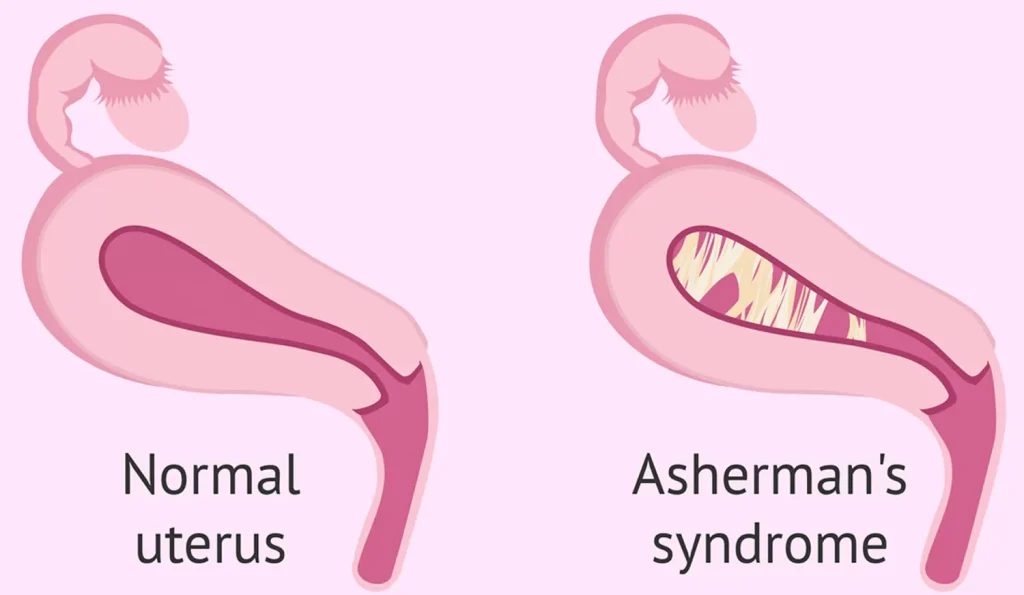
How Asherman’s Syndrome Affects Fertility?
The uterus plays a vital role in conception and pregnancy. When scar tissue alters its structure, fertility can be impacted in several ways:
1. Implantation Failure
Healthy endometrial lining is essential for embryo implantation. Adhesions may prevent the embryo from attaching properly, leading to repeated implantation failure.
2. Recurrent Miscarriages
Even if implantation occurs, poor blood supply and reduced uterine space can increase the risk of early pregnancy loss.
3. Menstrual Irregularities
Many women with Asherman’s Syndrome experience light periods, missed periods, or painful menstruation. These changes often signal reduced endometrial function, which directly affects fertility.
4. Increased Pregnancy Complications
In severe cases, women may face complications such as placental abnormalities, preterm delivery, or growth restriction during pregnancy.
Symptoms That Should Not Be Ignored
Asherman’s Syndrome may remain undiagnosed until fertility issues arise. Common warning signs include:
- Scanty or absent menstrual flow
- Pelvic pain without clear cause
- Difficulty conceiving
- Recurrent pregnancy loss
Women experiencing these symptoms should consult an experienced Gynecologist In Noida for proper evaluation.
Diagnosis of Asherman’s Syndrome
Accurate diagnosis is essential for effective management. Common diagnostic methods include:
- Hysteroscopy (gold standard for diagnosis and treatment)
- Hysterosalpingography (HSG)
- Sonohysterography
- Pelvic ultrasound (limited but supportive)
Early diagnosis improves the chances of restoring uterine function and fertility.
Treatment Options and Fertility Outcomes
Treatment depends on the severity of adhesions and the patient’s fertility goals.
Surgical Adhesiolysis
Hysteroscopic surgery is used to carefully remove adhesions and restore the uterine cavity. This procedure requires precision and expertise to avoid recurrence.
Hormonal Therapy
Estrogen therapy is often prescribed post-surgery to encourage endometrial healing and regeneration.
Assisted Reproductive Techniques
In cases where natural conception remains difficult, fertility treatments may be recommended. Under expert guidance, Infertility Treatment In Noida can include ovulation support, IUI, or advanced assisted reproduction.
For severe cases with endometrial damage, treatment planning at a specialized IVF Center In Noida can help maximize pregnancy outcomes.
Can Women with Asherman’s Syndrome Get Pregnant?
Yes—many women successfully conceive after proper treatment. Fertility outcomes depend on:
- Severity and extent of adhesions
- Quality of endometrial recovery
- Surgical expertise
- Individual reproductive health
With timely intervention and personalized care, pregnancy is achievable in a significant number of cases.
Importance of Specialized Fertility Care
Asherman’s Syndrome requires a multidisciplinary approach involving gynecological surgery, fertility planning, and close follow-up. Choosing a specialist with experience in uterine reconstruction and fertility preservation greatly improves success rates.
Expert Care for Asherman’s Syndrome in Noida
Dr. Aprajita Srivastava is a highly experienced gynecologist and IVF specialist based in Sector 121, Noida. She has extensive expertise in managing complex uterine conditions, infertility cases, and high-risk pregnancies using evidence-based and patient-centric approaches. Her proficiency in hysteroscopic and laparoscopic procedures allows for precise diagnosis and treatment planning, helping women achieve better fertility outcomes.
If you are seeking advanced evaluation or fertility-focused care at a trusted IVF Specialist In Noida, professional guidance can play a crucial role in your journey.
Clinic Details:
Ofc No 143, 1st Floor, QURE CLINIC, Cleo St, Sector 121, Noida, Uttar Pradesh 201301
Phone: +91 95992 44575