
Undergoing a blastocyst transfer is a crucial milestone in the IVF journey. After the procedure, couples often experience a mix of hope, anxiety, and confusion—mostly because of the many myths circulating online and through well-meaning advice from others. Understanding what’s true and what’s not can help you stay calm and make informed decisions during this sensitive phase.
Below are 9 common myths and facts after blastocyst transfer, explained clearly and scientifically.
Myth 1: Complete Bed Rest Is Mandatory
Fact: Absolute bed rest is not required.
Many believe they must stay in bed for days after blastocyst transfer. In reality, light daily activities are safe and even recommended. Gentle movement improves blood circulation, which can support implantation. However, strenuous exercise, heavy lifting, and high-impact workouts should be avoided.
Myth 2: Implantation Happens Immediately
Fact: Implantation takes time.
After a blastocyst transfer, implantation typically occurs within 1–5 days. During this period, the embryo attaches to the uterine lining and begins producing hCG hormone. This is why doctors advise waiting before taking a pregnancy test.
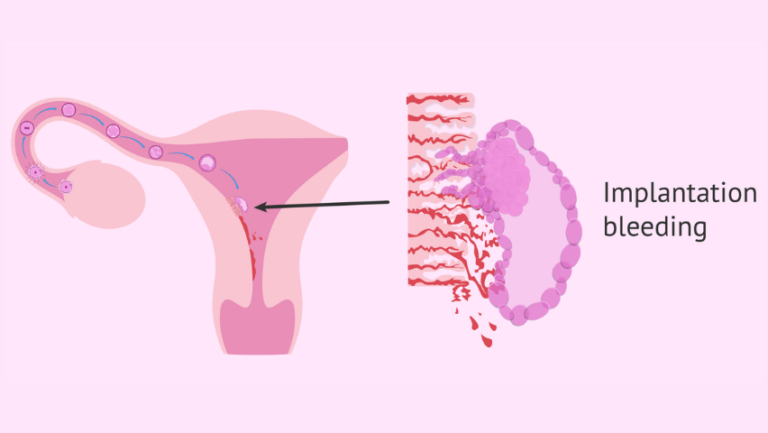
Myth 3: No Symptoms Means IVF Has Failed
Fact: Symptoms vary from person to person.
Some women feel bloating, mild cramps, or breast tenderness, while others feel nothing at all. Both scenarios can still lead to a successful pregnancy. Absence of symptoms does not indicate failure.
Myth 4: Stress Can Completely Ruin Implantation
Fact: Mild stress is normal and manageable.
While chronic stress isn’t ideal, everyday anxiety or nervousness after transfer will not automatically affect implantation. Simple practices like deep breathing, light walks, and adequate sleep can help maintain emotional balance.
Myth 5: Sneezing or Coughing Can Dislodge the Embryo
Fact: The embryo is well protected.
Once transferred, the blastocyst is securely placed inside the uterus. Sneezing, coughing, laughing, or standing up cannot dislodge it. The uterus is not an open space—it’s designed to support implantation.
Myth 6: Special Foods Guarantee Success
Fact: No food can guarantee implantation.
A nutritious diet supports overall health, but no single food can ensure IVF success. A balanced intake of proteins, fruits, vegetables, whole grains, and hydration is beneficial. Avoid alcohol, smoking, and excessive caffeine during this phase.
Myth 7: Traveling After Transfer Is Unsafe
Fact: Short, comfortable travel is usually safe.
If your doctor allows it, short journeys are generally fine. However, long-distance travel, frequent movement, or travel involving physical strain should be discussed beforehand—especially during IVF Treatment In Noida, where follow-ups are closely scheduled.
Myth 8: Early Home Pregnancy Tests Are Reliable
Fact: Testing too early can give false results.
Taking a pregnancy test before the recommended date can lead to false positives or negatives due to residual trigger shots or low hormone levels. Blood tests advised by an IVF Specialist In Noida provide the most accurate results.
Myth 9: One Failed Cycle Means Future Failure
Fact: Many achieve success in subsequent cycles.
A failed blastocyst transfer does not mean IVF won’t work for you. Success depends on multiple factors including embryo quality, uterine health, and individualized treatment planning. Many couples conceive in later attempts with adjusted protocols.
When Should You Contact Your Doctor?
You should immediately consult your fertility expert if you experience:
- Severe abdominal pain
- Heavy vaginal bleeding
- High fever
- Extreme bloating or breathing difficulty
Timely guidance from a trusted IVF Center In Noida ensures both safety and peace of mind.
Expert Care for IVF & Fertility in Noida
Dr. Aprajita Srivastava is a highly experienced gynecologist and IVF specialist based in Sector 121, Noida. She is known for managing complex infertility cases with a personalized, evidence-based approach. Her expertise spans advanced fertility procedures such as IVF, IUI, egg freezing, and laparoscopic surgeries, with special care for high-risk pregnancies.
If you are exploring fertility options or currently undergoing Infertility Treatment In Noida, expert guidance can make a meaningful difference in your journey.Consultation Details:
Ofc No 143, 1st Floor, QURE CLINIC, Cleo St, Sector 121, Noida, Uttar Pradesh 201301
Phone: +91 95992 44575