
Ovarian reserve testing is used to evaluate a woman’s egg count. It helps understand how the ovaries are functioning. This test is often the first step in fertility evaluation.
Every woman is born with a fixed number of eggs. Over time, this number reduces. Ovarian reserve testing gives an estimate of the remaining eggs. It does not confirm pregnancy chances. It only helps in planning.
Doctors recommend ovarian reserve testing when there are concerns about fertility. It is also useful before starting treatments like IVF.
Fertility depends on both egg quantity and quality. As age increases, both decline. Ovarian reserve testing helps detect this early.
It gives clarity and helps couples make informed decisions. It also helps doctors choose the right treatment.
If you are exploring fertility care options, this test becomes important in early stages.
How Age Affects Ovarian Reserve?
Age is the biggest factor in fertility. Ovarian reserve testing results are closely linked to age.
In the 20s, egg count is higher. Fertility is usually strong. In early 30s, there is a gradual decline. After 35, the decline becomes faster. After 40, the egg count reduces significantly.
You can understand more about this through age-related fertility changes.
Types of Ovarian Reserve Testing
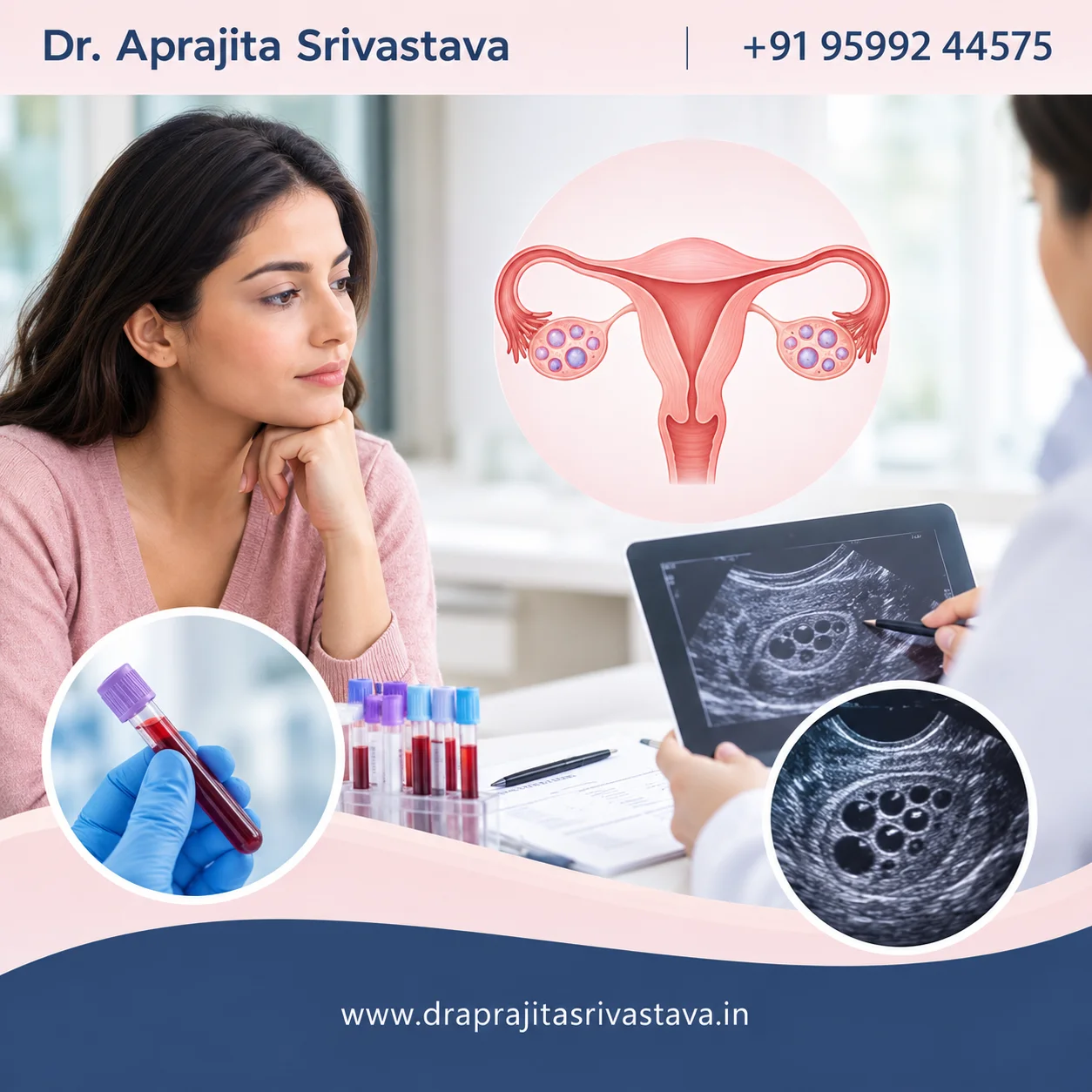
Ovarian reserve testing includes a combination of blood tests and imaging. Each test provides different information.
AMH (Anti-Müllerian Hormone)
This is a key test in ovarian reserve testing. It measures hormone levels that reflect egg supply. It can be done on any day of the cycle.
Antral Follicle Count (AFC)
This is done through ultrasound. It counts small follicles in the ovaries. A higher count suggests better ovarian reserve.
Learn more about antral follicle count and its role in planning.
FSH (Follicle Stimulating Hormone)
This test is done early in the menstrual cycle. Higher levels may indicate lower ovarian reserve.
Estradiol
This hormone supports egg development. It is measured along with FSH for better interpretation.
Normal Values in Ovarian Reserve Testing
Understanding values helps in interpreting ovarian reserve testing results.
AMH Levels:
- Above 3.0 ng/ml – High reserve
- 1.0 to 3.0 ng/ml – Normal reserve
- Below 1.0 ng/ml – Low reserve
AFC Count:
- Above 15 – Good reserve
- 8 to 15 – Normal range
- Below 8 – Low reserve
These values are not absolute. Doctors consider age and history while interpreting.
Symptoms of Low Ovarian Reserve
Some women may notice signs that indicate reduced ovarian reserve.
- Irregular menstrual cycles
- Short cycles
- Difficulty conceiving
- Poor response to fertility treatments
These symptoms do not confirm the condition. Ovarian reserve testing helps in proper diagnosis.
When Should You Consider Ovarian Reserve Testing?
Ovarian reserve testing is advised in specific situations.
If you have been trying to conceive without success, testing can help identify causes. Women planning pregnancy after 30 or 35 may also consider it.
It is also recommended before starting IVF treatment. It helps in planning stimulation and treatment approach.
Women with a history of ovarian surgery or medical treatments affecting ovaries should also consider testing.
How Ovarian Reserve Testing Is Performed?
The process is simple and does not require major preparation.
Blood Tests
Blood samples are taken to measure AMH, FSH, and Estradiol. These hormones reflect ovarian function.
Ultrasound Scan
A transvaginal ultrasound is performed. It helps count follicles and assess ovarian health.
Ovarian reserve testing is quick. Results are usually available within a few days.
Which Test Is Most Useful?
AMH is widely used in ovarian reserve testing. It is convenient and reliable. AFC is also important as it gives a visual count.
Doctors often use both tests together. This gives a more complete understanding.
Cost of Ovarian Reserve Testing in India
The cost depends on the clinic and location.
- AMH test – ₹1000 to ₹3000
- Ultrasound – ₹800 to ₹2000
- Complete testing panel – ₹3000 to ₹7000
It is best to check with the clinic for exact pricing.
Understanding Ovarian Reserve Testing Results
Ovarian reserve testing results help guide further steps.
High reserve indicates a better response to treatment. Normal reserve suggests stable fertility. Low reserve means reduced egg count.
Low values do not rule out pregnancy. They only indicate the need for proper planning.
Limitations of Ovarian Reserve Testing
Ovarian reserve testing has certain limitations.
It measures egg quantity, not quality. It cannot predict pregnancy outcomes. Hormone levels may vary slightly.
Age still remains an important factor in fertility.
Improving Egg Health Naturally
While ovarian reserve testing shows egg count, lifestyle affects egg quality.
Healthy eating helps. Managing stress is important. Regular sleep supports hormonal balance.
You can also explore lifestyle impact on fertility for better understanding.
What to Do After Ovarian Reserve Testing?
Next steps depend on your results.
If results are normal, natural conception may be possible. If reserve is low, early consultation is advised. In some cases, IVF or egg freezing may be suggested.
Timely action improves options.
Expert Care and Guidance
Dr. Aprajita Srivastava is a gynecologist, IVF specialist, and laparoscopic surgeon based in Noida. She has experience in infertility care and advanced reproductive treatments.
Dr. Aprajita provides personalized care for fertility concerns. She handles complex cases including IVF, IUI, and fertility preservation.
Clinic Address: Ofc No 143, 1st Floor, QURE CLINIC, Cleo St, Sector 121, Noida, Uttar Pradesh 201301
Phone: +91 95992 44575
View clinic location here: Google Maps
To know more, visit gynecologist in Noida or connect through the contact page.
Frequently Asked Questions
Can ovarian reserve testing predict fertility?
No. It gives an estimate of egg count. Fertility depends on multiple factors.
Is ovarian reserve testing painful?
No. It involves simple blood tests and ultrasound.
Can low AMH be improved?
AMH levels cannot be significantly increased. Lifestyle changes may support egg quality.
When should I get ovarian reserve testing done?
It can be done when planning pregnancy or facing difficulty conceiving.