
White discharge during pregnancy is one of the most common changes that women notice after conception. In most cases, it is completely normal and is known as leukorrhea.
This discharge helps keep the vagina clean and protects both the mother and the developing baby from harmful infections. However, changes in color, smell, or consistency may sometimes indicate a medical condition that needs attention.
This guide explains what normal white discharge during pregnancy looks like, why it happens, how it changes in each trimester, and when you should consult a doctor.
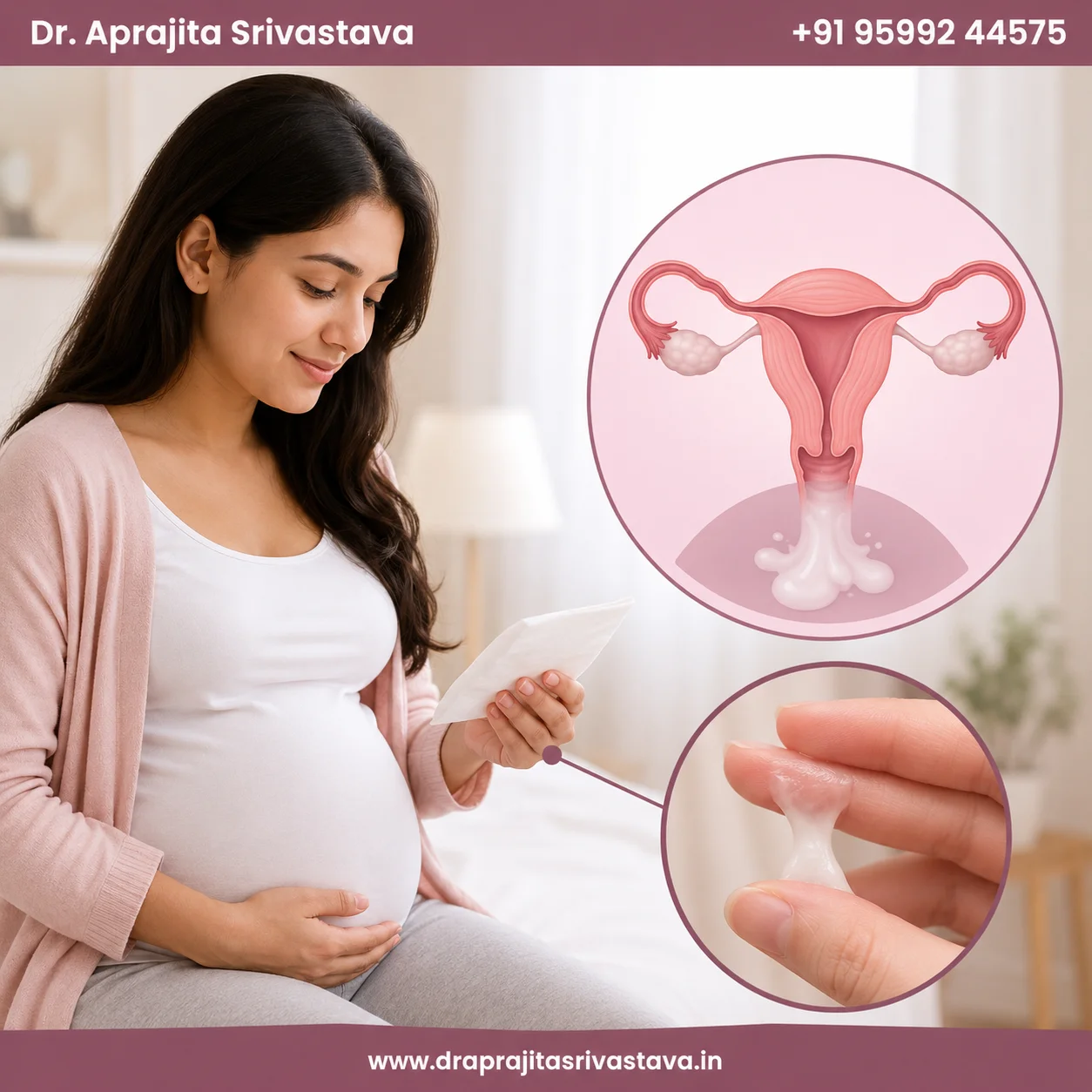
Is White Discharge During Pregnancy Normal?
Yes. White discharge during pregnancy is usually a healthy sign. It develops because pregnancy hormones increase blood flow to the pelvic region and stimulate the cervix and vaginal glands to produce more fluid.
Normal pregnancy discharge is generally:
- Milky white or clear
- Thin or slightly creamy
- Mild or odorless
- Not associated with itching or burning
As pregnancy progresses, you may notice that the amount of discharge increases. This is a normal part of your body’s preparation for childbirth.
What Is Leukorrhea?
Leukorrhea is the medical term for the normal white discharge during pregnancy. It usually appears in the early weeks and continues throughout pregnancy.
Its main functions include:
- Protecting the birth canal from infections.
- Maintaining a healthy vaginal pH.
- Removing dead cells and bacteria naturally.
- Supporting a healthy environment for the growing baby.
Many women notice leukorrhea before they develop other pregnancy symptoms. Although the amount varies from person to person, mild to moderate discharge is generally expected.
Why Does White Discharge During Pregnancy Increase?
Several natural changes occur after conception. These changes increase vaginal discharge.
Hormonal Changes
Higher levels of estrogen and progesterone stimulate the cervix and vaginal glands. As a result, more cervical mucus is produced.
Increased Blood Flow
Blood circulation to the pelvic organs increases during pregnancy. This supports the uterus and also increases vaginal secretions.
Protection Against Infection
The extra discharge acts as a natural barrier. It helps reduce the risk of harmful bacteria entering the uterus.
If you are planning a healthy pregnancy, following proper pregnancy care is equally important for both mother and baby.
How White Discharge Changes During Each Trimester?
| Pregnancy Stage | What You May Notice |
|---|---|
| First Trimester | Thin, milky white discharge begins due to hormonal changes. |
| Second Trimester | The amount often increases while remaining white and odorless. |
| Third Trimester | Discharge may become thicker or heavier as the body prepares for labor. |
| Near Delivery | You may notice mucus mixed with pink or brown streaks as the mucus plug starts coming away. |
Different Types of Vaginal Discharge During Pregnancy
1. White or Milky Discharge
This is the most common type of discharge during pregnancy. It is usually healthy when it is odorless and does not cause discomfort.
2. Clear or Watery Discharge
A small amount of watery discharge can be normal. However, continuous leakage or a sudden gush of fluid should be evaluated immediately because it may indicate leaking amniotic fluid.
3. Pink or Brown Discharge
Light pink or brown discharge may occur due to implantation bleeding in early pregnancy or after sexual intercourse because the cervix becomes more sensitive. Heavy bleeding should always be assessed by a healthcare professional.
4. Yellow or Green Discharge
Yellow, green, or gray discharge with a strong smell, itching, or burning may suggest an infection. Medical evaluation is recommended.
5. Thick White Clumpy Discharge
White discharge that looks like cottage cheese may indicate a yeast infection. It is commonly associated with itching and irritation.
White Discharge vs Amniotic Fluid
| White Discharge | Amniotic Fluid |
|---|---|
| Milky white | Usually clear |
| May be creamy | Very watery |
| Stops after wiping | May continue leaking |
| Usually has a mild smell | Often odorless or slightly sweet |
| Common during pregnancy | Needs immediate medical assessment if leaking continuously |
If you suspect your water has broken before labor begins, contact your obstetrician or visit the nearest emergency facility without delay.
White Discharge vs Yeast Infection
| Normal White Discharge | Yeast Infection |
|---|---|
| Thin or creamy | Thick and clumpy |
| No itching | Severe itching |
| No burning | Burning sensation |
| Mild smell or odorless | May have an unusual odor |
| No redness | Often associated with redness and irritation |
Do not self-medicate during pregnancy. A doctor can determine whether symptoms are caused by a yeast infection, bacterial vaginosis, or another condition.
When Is White Discharge During Pregnancy a Cause for Concern?
Although white discharge during pregnancy is usually normal, some changes should not be ignored. Contact your doctor if you notice any of the following symptoms.
- Green, yellow, or gray discharge.
- Strong fishy or foul odor.
- Severe itching or burning.
- Pain while passing urine.
- Pelvic pain or fever.
- Heavy bleeding.
- Continuous watery leakage.
- Sudden increase in discharge with discomfort.
These symptoms may indicate an infection or another pregnancy-related condition that requires medical evaluation.
Can White Discharge Harm Your Baby?
Normal white discharge during pregnancy does not harm your baby. In fact, it helps protect the birth canal by reducing the growth of harmful bacteria.
However, untreated vaginal infections may increase the risk of complications in some pregnancies. This is why unusual discharge should always be assessed by a qualified healthcare professional instead of being treated at home.
Can White Discharge Be a Sign of Miscarriage?
No. White discharge during pregnancy alone is not a sign of miscarriage.
Medical attention is important if white discharge is accompanied by:
- Heavy vaginal bleeding.
- Severe abdominal cramps.
- Passing tissue.
- Persistent lower back pain.
If you experience these symptoms, seek immediate medical care.
How to Manage White Discharge During Pregnancy?
You cannot stop normal pregnancy discharge, nor should you try to. Instead, focus on maintaining good intimate hygiene.
- Wear breathable cotton underwear.
- Change undergarments if they become damp.
- Use unscented panty liners if needed.
- Avoid vaginal douching.
- Do not use scented intimate hygiene products.
- Drink enough water every day.
- Maintain good personal hygiene.
- Never use over-the-counter medicines without medical advice.
Healthy nutrition and regular prenatal check-ups also support a healthy pregnancy. You can also read about a pregnancy diet for a safe and healthy pregnancy to understand foods that support maternal health.
Myths vs Facts
| Myth | Fact |
|---|---|
| White discharge always means infection. | Most white discharge during pregnancy is completely normal. |
| Heavy discharge harms the baby. | Healthy discharge protects the vagina from infection. |
| Every watery discharge means your water has broken. | Only continuous leakage or a sudden gush needs urgent evaluation. |
| You should stop discharge using medicines. | Normal discharge does not require treatment. |
| Any white discharge means miscarriage. | White discharge alone is not a sign of miscarriage. |
When Should You Visit a Gynecologist?
Never ignore symptoms that feel unusual during pregnancy. Early diagnosis helps prevent complications and provides peace of mind.
Schedule a medical consultation if you experience:
- Persistent foul-smelling discharge.
- Severe itching or burning.
- Recurrent vaginal infections.
- Bleeding during pregnancy.
- Continuous watery discharge.
- Pain or fever with vaginal discharge.
If you are unsure whether your symptoms are normal, consulting a gynecologist in Noida can help you receive the right diagnosis and treatment at the right time.
Frequently Asked Questions
Is white discharge during pregnancy normal every day?
Yes. Daily white discharge can be normal if it is odorless, milky white, and not associated with itching or pain.
When does white discharge start during pregnancy?
Many women notice increased discharge during the first few weeks of pregnancy because of hormonal changes.
Is thick white discharge normal during pregnancy?
Mildly thick discharge can be normal. However, cottage cheese-like discharge with itching may indicate a yeast infection.
Can I use panty liners during pregnancy?
Yes. Unscented panty liners may help manage normal discharge. Avoid tampons unless advised by your doctor.
Does white discharge increase before labor?
Yes. Many women notice heavier discharge during the final weeks of pregnancy. Passing the mucus plug may also occur before labor begins.
Can stress increase vaginal discharge?
Stress itself does not usually change discharge. However, it may affect overall health, making some women more prone to infections.
Should white discharge have a smell?
Normal pregnancy discharge is usually odorless or has a very mild smell. A strong fishy odor should be evaluated by a doctor.
Is watery white discharge always dangerous?
No. Small amounts can be normal. Continuous watery leakage should be assessed immediately because it may indicate leaking amniotic fluid.
Doctor’s Advice
Most cases of white discharge during pregnancy are completely normal. However, discharge accompanied by itching, burning, foul smell, pelvic pain, fever, heavy bleeding, or continuous watery leakage should never be ignored. A timely medical evaluation helps identify infections or pregnancy-related complications early.
About Article
This article follows evidence-based pregnancy care principles and is medically reviewed in line with the clinical expertise of Dr. Aprajita Srivastava, IVF Specialist, Gynaecologist, and Laparoscopic Surgeon in Noida. She has extensive experience in infertility treatment, IVF, IUI, egg freezing, high-risk pregnancy care, and women’s reproductive health.
Women seeking personalized pregnancy guidance can consult the Best Gynaecologist in Noida or learn more about the IVF Center in Noida for fertility and pregnancy-related care.
Dr. Aprajita Srivastava
IVF Specialist & Gynaecologist
Phone: +91 95992 44575
Address: Ofc No. 143, 1st Floor, QURE CLINIC, Cleo St, Sector 121, Noida, Uttar Pradesh 201301
Key Takeaways
- White discharge during pregnancy is usually a normal and healthy change.
- Leukorrhea helps protect the vagina from infections.
- The amount of discharge often increases as pregnancy progresses.
- Foul smell, itching, burning, bleeding, or green discharge should not be ignored.
- Never self-medicate during pregnancy.
- Seek medical advice if you notice unusual symptoms.