
Being diagnosed with gestational diabetes can feel overwhelming, but with the right nutrition and lifestyle changes, most women can maintain healthy blood sugar levels and have a safe pregnancy. Following a proper gestational diabetes diet plan is one of the most effective ways to manage blood glucose levels, support your baby’s growth, and reduce pregnancy-related complications.
Gestational diabetes develops during pregnancy when hormonal changes make it difficult for the body to use insulin effectively. While some women may require medication or insulin therapy, many can successfully control their blood sugar through dietary modifications, portion control, and regular physical activity.
If you are looking for pregnancy care in Noida, seeking guidance from an experienced gynecologist and following a personalized meal plan can significantly improve maternal and fetal outcomes.
What is Gestational Diabetes?
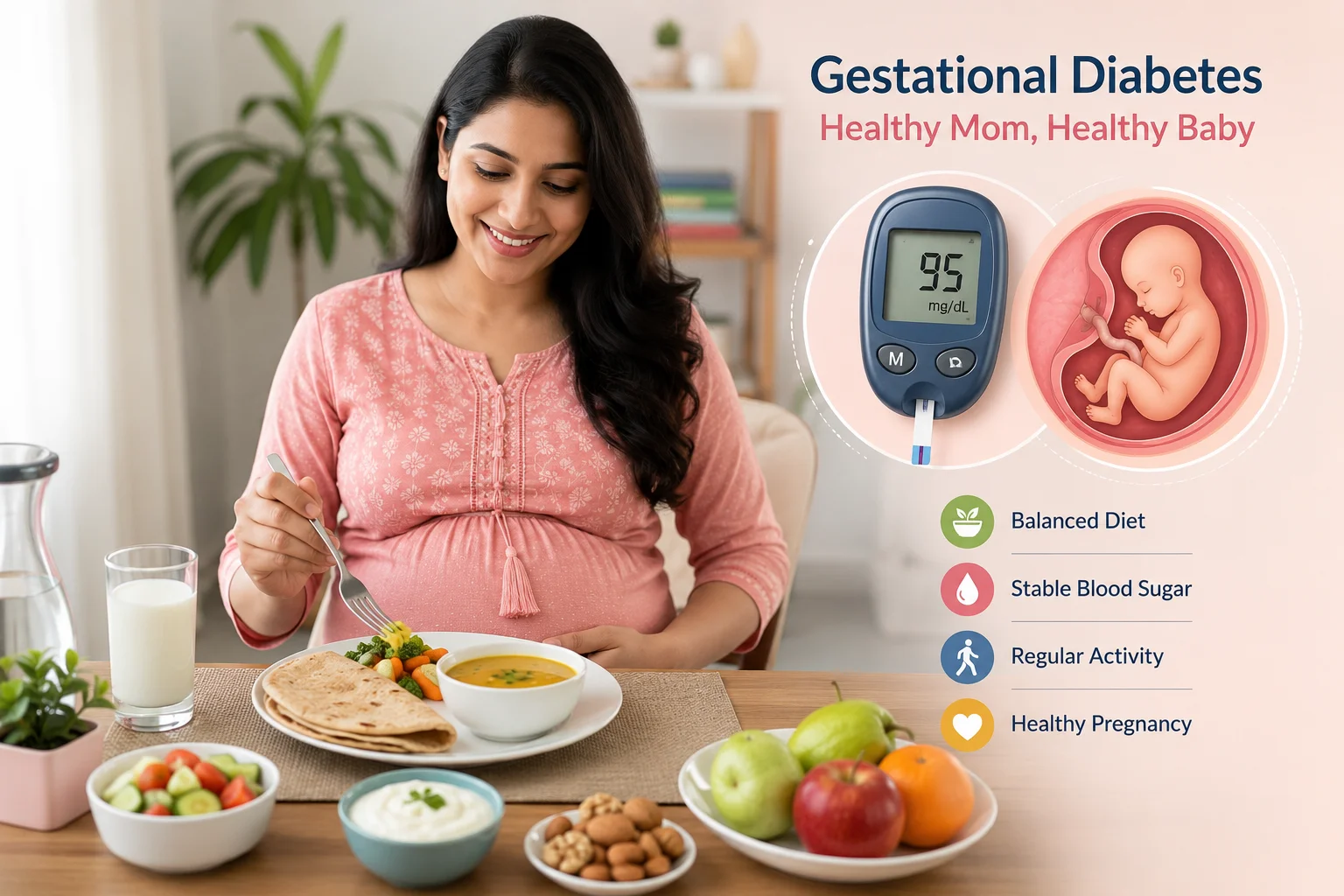
Gestational diabetes mellitus (GDM) is a type of diabetes that develops during pregnancy, usually between 24 and 28 weeks. It occurs when pregnancy hormones increase insulin resistance, causing blood sugar levels to rise.
Unlike pre-existing diabetes, gestational diabetes often resolves after childbirth. However, women diagnosed with this condition have a higher risk of developing Type 2 diabetes later in life.
Many women do not experience noticeable symptoms, which is why routine glucose screening during pregnancy is essential.
Why Following a Gestational Diabetes Diet Plan is Important?
A well-balanced gestational diabetes diet plan helps stabilize blood sugar levels and lowers the risk of pregnancy complications.
- Supports healthy fetal growth
- Reduces the chances of delivering a large baby
- Decreases the risk of cesarean delivery
- Prevents sudden blood sugar spikes
- Improves maternal energy levels
- Helps maintain a healthy pregnancy weight
You can also read more about blood sugar during pregnancy to understand its impact on maternal and fetal health.
Recommended Blood Sugar Targets During Pregnancy
| Test | Target Level |
|---|---|
| Fasting Blood Sugar | Less than 95 mg/dL |
| 1 Hour After Meals | Less than 140 mg/dL |
| 2 Hours After Meals | Less than 120 mg/dL |
Monitoring blood sugar regularly allows your healthcare provider to adjust dietary recommendations if needed.
Best Foods to Include in a Gestational Diabetes Diet Plan
1. Complex Carbohydrates
Carbohydrates are necessary during pregnancy, but choosing slow-digesting options can help prevent blood sugar fluctuations.
- Oats
- Dalia
- Brown rice
- Quinoa
- Bajra
- Jowar
- Whole wheat chapati
These foods are rich in fiber and provide sustained energy throughout the day.
2. Protein-Rich Foods
Protein helps keep you full for longer and minimizes post-meal sugar spikes.
- Paneer
- Curd
- Greek yogurt
- Sprouts
- Eggs
- Chicken breast
- Fish
- Lentils
Pairing carbohydrates with protein is an excellent strategy for maintaining healthy blood sugar levels.
3. Healthy Fats
Healthy fats support fetal brain development and improve satiety.
- Almonds
- Walnuts
- Chia seeds
- Flaxseeds
- Pumpkin seeds
- Olive oil
4. Low Glycemic Index Fruits
Fresh fruits provide vitamins and antioxidants while satisfying sweet cravings.
- Guava
- Apple
- Pear
- Orange
- Kiwi
You may also explore the benefits of kiwi in pregnancy and jamun during pregnancy for additional nutritional support.
Foods to Avoid with Gestational Diabetes
Some foods can rapidly increase blood glucose levels and should be consumed sparingly.
- Sugary beverages
- Packaged fruit juices
- Cakes and pastries
- Ice creams
- White bread
- White rice in large portions
- Fried snacks
- Processed foods
- Sweetened breakfast cereals
Instead of sweets, choose fruits, nuts, or unsweetened yogurt as healthier alternatives.
Portion Control Guide for Indian Women
Portion control plays an essential role in a successful gestational diabetes diet plan.
| Food Item | Recommended Portion |
|---|---|
| Chapati | 1 Medium |
| Cooked Rice | ½ Cup |
| Milk | 1 Glass |
| Fruit | 1 Small Serving |
| Nuts | 8–10 Pieces |
Eating small meals every two to three hours can help maintain stable glucose levels.
Sample 7-Day Gestational Diabetes Diet Plan for Indian Women
| Meal | Example Foods |
|---|---|
| Breakfast | Vegetable oats with boiled egg or paneer |
| Mid-Morning Snack | Apple with almonds |
| Lunch | 2 Rotis, dal, salad and curd |
| Evening Snack | Roasted chana and buttermilk |
| Dinner | Grilled chicken or paneer with vegetables |
| Bedtime Snack | Warm milk without sugar |
A customized meal plan prepared by a dietitian may offer better results based on your blood sugar readings and nutritional requirements.
Can You Eat Rice, Mangoes and Sweets?
Yes, but moderation is important.
Rice: Prefer brown rice or consume small portions of white rice with protein-rich foods.
Mangoes: One small serving occasionally may be acceptable if your sugar levels remain under control.
Sweets: Traditional sweets, cakes, and chocolates should be minimized because they can trigger sudden glucose spikes.
Following pregnancy diet tips can further help you make healthier food choices.
Lifestyle Tips to Manage Gestational Diabetes
- Drink at least 2–2.5 liters of water daily.
- Walk for 20–30 minutes after meals.
- Practice prenatal yoga after consulting your doctor.
- Sleep for 7–8 hours every night.
- Track your meals in a food diary.
- Reduce stress through meditation and relaxation techniques.
Simple lifestyle modifications combined with a proper gestational diabetes diet plan can improve insulin sensitivity and support a healthier pregnancy.
When Should You Consult a Doctor?
Seek medical advice immediately if you notice:
- Persistent high blood sugar readings
- Excessive thirst
- Blurred vision
- Reduced fetal movements
- Frequent dizziness
- Severe fatigue
Frequently Asked Questions
What is the best breakfast for gestational diabetes?
Vegetable oats, multigrain toast with paneer, boiled eggs, and unsweetened yogurt are good breakfast choices.
Can gestational diabetes be controlled without insulin?
Many women can control gestational diabetes through diet and exercise, although some may still require insulin therapy.
How many meals should I eat daily?
Experts usually recommend three small meals and two to three healthy snacks every day.
Does gestational diabetes disappear after delivery?
In most cases, blood sugar levels return to normal after childbirth. However, regular follow-up testing is important.
Dr. Aprajita Srivastava
MBBS, DGO, DNB – Obstetrics & Gynecology
IVF Specialist in Noida | Best Gynaecologist in Noida
QURE Clinic, Office No. 143, 1st Floor, Cleo Street, Sector 121, Noida, Uttar Pradesh 201301
Phone: +91 95992 44575