
Maintaining healthy blood sugar levels during pregnancy plays a vital role in the well-being of both mother and baby. Many women experience changes in glucose metabolism due to hormonal shifts, increased insulin resistance, and evolving nutritional needs. Understanding blood sugar during pregnancy helps prevent complications and supports a smoother journey toward childbirth.
According to Dr. Aprajita Srivastava, an experienced gynecologist and IVF Specialist In Noida, timely screening, lifestyle management, and expert medical guidance significantly reduce pregnancy-related risks associated with blood sugar imbalance.
Why Blood Sugar Levels Matter During Pregnancy
During pregnancy, the placenta releases hormones that can interfere with insulin function. As a result, blood sugar levels may rise, especially in the second and third trimesters. When glucose levels remain uncontrolled, both mother and baby can face health complications.
Balanced blood sugar supports:
- Proper fetal growth
- Healthy organ development
- Reduced risk of delivery complications
- Lower chances of future diabetes
Normal Blood Sugar Levels in Pregnancy
Typical recommended blood sugar levels during pregnancy are:
- Fasting: Below 95 mg/dL
- 1 hour after meals: Below 140 mg/dL
- 2 hours after meals: Below 120 mg/dL
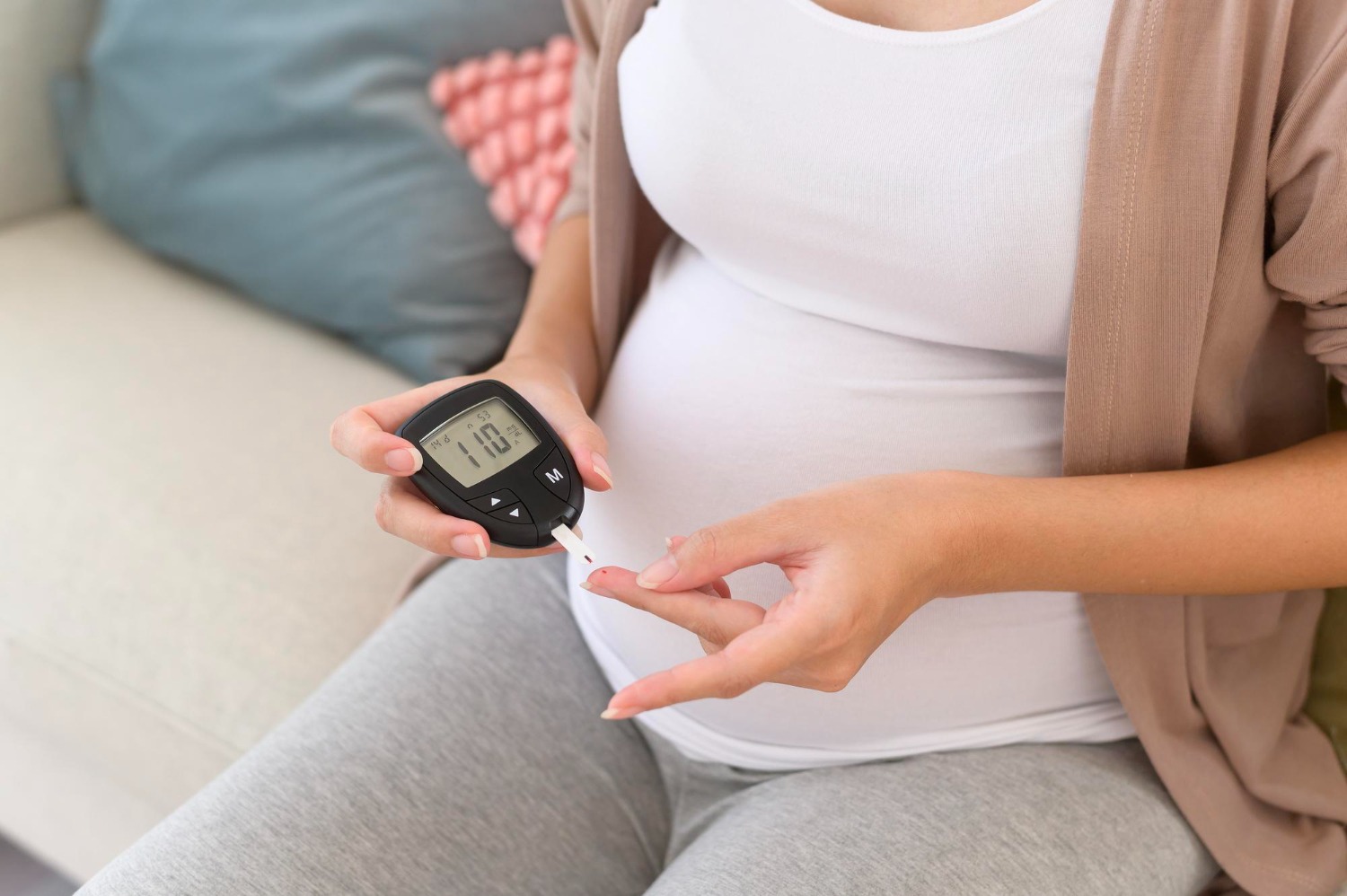
Regular monitoring helps detect abnormalities early and allows timely intervention.
What Is Gestational Diabetes?
Gestational diabetes mellitus (GDM) is a condition where blood sugar levels rise during pregnancy in women with no previous history of diabetes. It usually develops after the 24th week of pregnancy and resolves after childbirth in most cases.
Common Risk Factors
- Family history of diabetes
- Over-weight or obesity
- Polycystic ovary syndrome (PCOS)
- Advanced maternal age
- Previous pregnancy with gestational diabetes
Women undergoing fertility treatments at an advanced IVF Center In Noida are often closely monitored, as hormonal therapies may influence glucose metabolism.
Symptoms of High Blood Sugar During Pregnancy
Many women experience no noticeable symptoms. When present, symptoms may include:
- Increased thirst
- Frequent urination
- Fatigue
- Blurred vision
- Recurrent infections
Routine antenatal screening remains the most reliable way to detect gestational diabetes.
Risks of Uncontrolled Blood Sugar
For the Mother
- High blood pressure and preeclampsia
- Increased chances of cesarean delivery
- Risk of developing type 2 diabetes later
For the Baby
- Excessive birth weight (macrosomia)
- Preterm birth
- Low blood sugar after birth
- Increased risk of obesity and diabetes later in life
This highlights the importance of expert pregnancy supervision by a skilled gynecologist.
How Blood Sugar Is Tested During Pregnancy
Standard screening includes:
- Glucose Challenge Test (GCT)
- Oral Glucose Tolerance Test (OGTT)
Based on results, individualized treatment plans are created. Consulting the best gynecologist in Noida ensures accurate interpretation and appropriate care.
Managing Blood Sugar During Pregnancy
1. Healthy Diet
A balanced meal plan includes:
- Complex carbohydrates
- Lean proteins
- High-fiber foods
- Healthy fats
Small, frequent meals help maintain stable glucose levels.
2. Physical Activity
Moderate exercise like walking or prenatal yoga improves insulin sensitivity and supports blood sugar control.
3. Regular Monitoring
Home glucose monitoring helps track daily levels and identify patterns that need adjustment.
4. Medical Treatment
When lifestyle changes are insufficient, insulin or safe medications may be prescribed. Treatment decisions are always personalized and closely supervised.
Dr. Aprajita Srivastava emphasizes evidence-based care and patient education to help mothers confidently manage gestational diabetes.
Blood Sugar Management After IVF Pregnancy
Women who conceive through IVF Test Tube Baby Treatment In Noida may require closer metabolic monitoring due to hormonal stimulation and underlying fertility conditions. Regular follow-ups help prevent complications and ensure stable maternal health throughout pregnancy.
Importance of Expert Pregnancy Care
Comprehensive antenatal care focuses on early detection, prevention, and personalized treatment. Specialized pregnancy care services in Noida ensure:
- Continuous blood sugar monitoring
- Nutritional counseling
- Risk assessment
- Maternal-fetal well-being
Dr. Aprajita Srivastava’s multidisciplinary approach ensures that both routine and high-risk pregnancies receive optimal care.
When to Consult a Doctor
Immediate medical advice is recommended if:
- Blood sugar readings remain high
- Excessive fatigue or dizziness occurs
- Vision changes appear
- Swelling or rapid weight gain develops
Early consultation prevents long-term complications and provides peace of mind.
Why Choose Dr. Aprajita Srivastava?
- Extensive experience in gynecology, infertility, and IVF
- Personalized pregnancy and diabetes care
- Advanced diagnostic facilities
- Compassionate, patient-centric approach
Her expertise supports women across natural conception, high-risk pregnancies, and assisted reproductive journeys.
Conclusion
Blood sugar management during pregnancy is essential for ensuring a healthy outcome for both mother and baby. With timely screening, lifestyle adjustments, and expert medical care, most women maintain stable glucose levels and experience a safe pregnancy.
Under the guidance of Dr. Aprajita Srivastava, expectant mothers receive comprehensive care rooted in clinical expertise, trust, and long-term health outcomes.