
When Riya and Aman walked into a fertility clinic for the third time, their hope was quietly mixed with fear. Two IVF cycles had failed. The embryos looked healthy, the procedures were done right—yet pregnancy never happened.
Their question was simple, but heavy:
“Is there something we’re missing?”
That question leads many couples to a powerful advancement in fertility science—Preimplantation Genetic Testing (PGT).
Understanding the IVF Journey Beyond Embryo Quality
Most couples assume that once a good-quality embryo is transferred, pregnancy should follow. But fertility is more complex. Sometimes, embryos that look perfect under the microscope may carry hidden genetic abnormalities that prevent implantation or cause early miscarriage.
This is where PGT becomes a game-changer.
PGT allows doctors to examine embryos before pregnancy begins, helping select embryos with the best chance of leading to a healthy baby.
What Is Preimplantation Genetic Testing (PGT)?
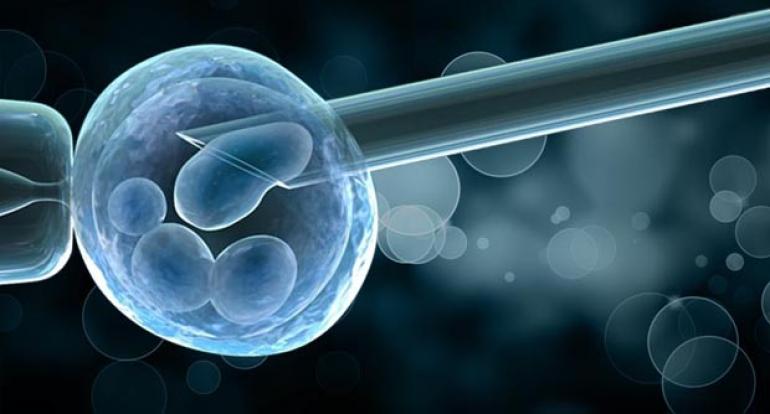
Preimplantation Genetic Testing (PGT) is a specialized genetic test performed during an IVF cycle. After fertilization, embryos are allowed to grow for a few days. A few cells are then carefully taken from each embryo and analyzed for genetic health.
Only embryos that pass this screening are selected for transfer.
This approach helps:
- Improve implantation rates
- Reduce the risk of miscarriage
- Increase the chances of a healthy pregnancy
For couples undergoing IVF Treatment In Noida, PGT offers clarity when outcomes have been uncertain.
Why Was PGT Recommended to Couples Like Riya and Aman?
After reviewing their IVF history, their doctor explained that repeated IVF failure often isn’t about effort—it’s about genetics.
As an experienced IVF Specialist In Noida, Dr. Aprajita Srivastava often explains to patients that genetic imbalance is one of the most common yet invisible causes of IVF failure, especially when:
- Age is above 35
- There are repeated implantation failures
- There have been recurrent miscarriages
- There is a known genetic condition in the family
PGT helps remove the guesswork.
The Main Types of PGT Explained Simply
Not all genetic tests are the same. PGT is divided into specific types based on what doctors are looking for.
1. PGT-A (Preimplantation Genetic Testing for Aneuploidy)
PGT-A checks whether an embryo has the correct number of chromosomes.
Humans should have 46 chromosomes. Too many or too few can prevent implantation or cause miscarriage.
PGT-A is commonly recommended for:
- Women above 35 years
- Recurrent IVF failures
- Recurrent pregnancy loss
By selecting chromosomally normal embryos, PGT-A improves the likelihood of success per transfer.
2. PGT-M (Preimplantation Genetic Testing for Monogenic Disorders)
PGT-M is used when one or both partners carry a specific inherited genetic disease, such as:
- Thalassemia
- Cystic fibrosis
- Sickle cell anemia
- Muscular dystrophy
This test ensures that the embryo does not inherit the genetic condition, helping couples prevent passing serious disorders to their child.
3. PGT-SR (Preimplantation Genetic Testing for Structural Rearrangements)
Some individuals carry structural changes in their chromosomes that don’t affect them—but can affect pregnancy outcomes.
PGT-SR is advised when:
- One partner has chromosomal translocations
- There are repeated miscarriages with no clear cause
This test helps identify embryos with balanced chromosomes suitable for transfer.
How Is PGT Performed During IVF?
PGT is seamlessly integrated into the IVF process:
- Eggs are retrieved and fertilized
- Embryos grow to the blastocyst stage
- A few cells are biopsied safely
- Embryos are frozen
- Genetic testing is performed
- Healthy embryos are selected for transfer
The embryo itself is not harmed, and implantation potential remains intact.
Does PGT Guarantee Pregnancy?
This is an important and honest question.
PGT does not guarantee pregnancy, but it:
- Improves success rates per embryo transfer
- Reduces miscarriage risk
- Saves time, cost, and emotional distress
PGT works best when combined with expert clinical judgment, personalized protocols, and proper uterine preparation.
Is PGT Safe?
Yes. When performed by experienced specialists, PGT is considered safe. Decades of data show that children born after PGT are as healthy as those conceived naturally or through standard IVF.
The key lies in:
- Skilled embryo biopsy
- Advanced laboratory standards
- Proper patient selection
The Human Side of PGT
When Riya and Aman opted for PGT, it wasn’t just a test—it was a turning point. For the first time, they felt confident that their next transfer was based on knowledge, not chance.
This emotional reassurance is one of the most underrated benefits of PGT.
Personalized Fertility Care Matters
Advanced tools like PGT should never be used blindly. Dr. Aprajita Srivastava believes in individualized fertility care, where tests are recommended only when they truly add value.
Her approach combines:
- Scientific evidence
- Ethical decision-making
- Emotional sensitivity
This balance is essential in modern fertility treatment.
Dr. Aprajita Srivastava, IVF Specialist in Noida, Best Gynaecologist in Noida | Laparoscopic Surgery in Noida
Phone : +91 95992 44575
Address: Ofc No 143, 1st Floor, QURE CLINIC, Cleo St, Sector 121, Noida, Uttar Pradesh 201301
https://maps.app.goo.gl/xKC5rTW5NfitCmBF6
Final Thoughts
Preimplantation Genetic Testing has transformed IVF from a generalized treatment into a precisely guided journey.
By understanding embryo genetics before pregnancy, couples can move forward with greater confidence, fewer setbacks, and better outcomes. If IVF hasn’t worked despite best efforts, PGT may provide the missing answers—and renewed hope.