
Discovering spotting during early pregnancy can be an emotionally overwhelming experience. For many women, even a few drops of blood can immediately raise fears of miscarriage or pregnancy loss. While it is completely natural to feel anxious, it is important to understand that early pregnancy spotting is relatively common and not always a cause for alarm.
This blog aims to answer all the questions women commonly have about early pregnancy spotting—what causes it, when it is normal, when it could signal a problem, and how timely medical care can make a difference.
What Is Early Pregnancy Spotting?
Early pregnancy spotting refers to light bleeding or mild discharge that occurs during the first trimester, usually within the first 12 weeks of pregnancy. The spotting may appear:
- Pink
- Light red
- Brown (old blood)
Unlike a regular menstrual flow, spotting is usually light, does not soak a pad, and often stops on its own. Some women experience it once, while others may notice it intermittently.
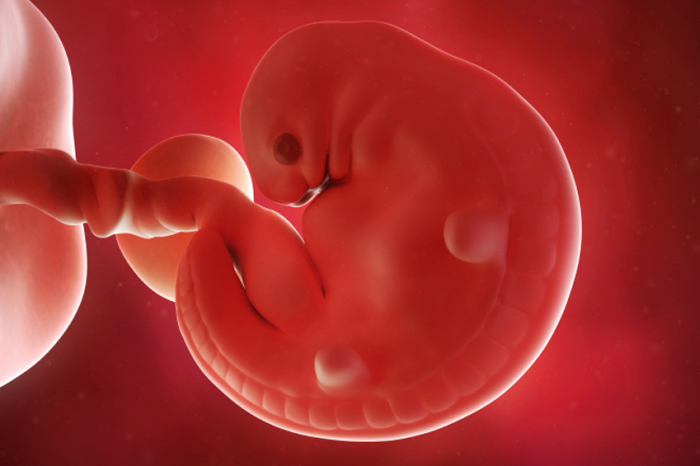
Studies suggest that nearly one in three women experience some form of spotting or light bleeding during early pregnancy, and many of them go on to deliver healthy babies.
Why Does Spotting Happen in Early Pregnancy?
1. Implantation Bleeding
One of the earliest and most harmless reasons for spotting is implantation bleeding. This happens when the fertilized egg attaches itself to the uterine lining.
It typically occurs:
- 6–12 days after ovulation
- Around the time a woman might expect her period
Implantation bleeding is usually very light, short-lived, and not associated with pain.
2. Hormonal Fluctuations
Pregnancy causes rapid changes in hormone levels, especially progesterone and estrogen. These hormonal shifts can sometimes cause slight bleeding or spotting, particularly in the early weeks.
3. Cervical Sensitivity
During pregnancy, increased blood flow makes the cervix more delicate and sensitive. As a result, minor irritation may lead to spotting after:
- Sexual intercourse
- Internal examinations
- Pap smear tests
This type of spotting is generally harmless and temporary.
4. Subchorionic Hematoma
A subchorionic hematoma occurs when a small collection of blood forms between the uterine wall and the gestational sac. While the term may sound concerning, many cases resolve on their own with rest and monitoring, especially when detected early.
5. Vaginal or Cervical Infections
Certain infections can irritate the cervix or vaginal lining, leading to spotting. These infections usually require treatment but are manageable when addressed promptly.
Does Spotting Always Mean Miscarriage?
The simple and reassuring answer is: No.
While spotting can be one of the symptoms associated with miscarriage, most miscarriages involve additional signs, such as:
- Heavy bleeding similar to or more than a period
- Severe abdominal cramps
- Passing clots or tissue
- Sudden disappearance of pregnancy symptoms
Light spotting without pain or discomfort often has non-threatening causes. However, it is essential to remember that any bleeding during pregnancy should be evaluated by a doctor, ideally a trusted Gynecologist In Noida, to rule out complications.
When Should Spotting Be Taken Seriously?
You should seek immediate medical attention if spotting is accompanied by:
- Bright red or heavy bleeding
- Severe lower abdominal or back pain
- Dizziness or fainting
- Fever or foul-smelling discharge
- Persistent bleeding over several days
Early assessment can help prevent complications and provide peace of mind.
Spotting in IVF and Assisted Pregnancies
Women who conceive through fertility treatments are often more alert to even minor changes. Spotting can also occur in pregnancies achieved through IVF Treatment In Noida, commonly due to:
- Hormonal support medications
- Implantation-related bleeding
- Increased cervical sensitivity
Although spotting is not uncommon in IVF pregnancies, these cases require closer observation, and reporting symptoms early helps ensure better outcomes.
How Is Early Pregnancy Spotting Evaluated?
To determine the cause of spotting, your doctor may recommend:
- Ultrasound examination to assess fetal development
- Blood tests to measure pregnancy hormone levels (hCG, progesterone)
- Screening for infections if needed
These investigations help identify whether the pregnancy is progressing normally or if intervention is required.
What Can You Do If You Notice Spotting?
If you experience spotting:
- Stay calm and avoid panic
- Note the color, amount, and duration of bleeding
- Avoid strenuous activity and heavy lifting
- Refrain from intercourse until advised
- Consult your doctor promptly
Early medical guidance can prevent unnecessary stress and ensure timely care.
Can Spotting Be Prevented?
Not all causes of spotting can be prevented, but you can reduce risks by:
- Attending regular antenatal check-ups
- Following prescribed medications correctly
- Avoiding excessive physical exertion
- Managing stress levels
- Reporting symptoms early rather than waiting
The Importance of Expert Guidance
Pregnancy is a sensitive and emotionally significant journey. Having the right medical support can make all the difference. Dr. Aprajita Srivastava is known for her patient-centric approach, combining medical expertise with compassionate care. She carefully evaluates early pregnancy concerns, including spotting, to ensure both maternal and fetal well-being.
Her approach focuses on early diagnosis, reassurance, and personalized treatment, which is especially important during the first trimester.
Final Takeaway
Early pregnancy spotting can be scary, but it is not always a sign of miscarriage. Many women experience spotting and go on to have completely healthy pregnancies. The key lies in understanding your symptoms, staying informed, and seeking timely medical advice. If you notice any bleeding during pregnancy, do not ignore it.
With expert evaluation and proper care, most causes of early pregnancy spotting can be managed safely and effectively.